In the high-stakes environment of modern healthcare, “recovery” isn’t just a physical milestone for patients; it is a psychological necessity for the providers themselves. After fifteen years of navigating the complex emotional and physiological landscapes of bedside, procedural, and clinic nursing, I have learned to view luxury through a clinical lens. For those of us in high-stress professions, a “Sensory Reset” is the ultimate goal of any travel or dining excursion. It was with this perspective of “recovery-focused luxury” that I took my family to Sendero, the sprawling multi-concept Latin destination perched on the 24th floor of the Ritz-Carlton in Downtown Los Angeles.
This review is designed for the luxe-seeker who values high-level gastronomy but requires an environment that fosters cognitive decompression. We will analyze the menu, the atmosphere, and the family-friendly logistics to determine if Sendero earns its place as a top-tier “reset” destination in the DTLA skyline.
The Science of the Ritz-Carlton Sensory Reset
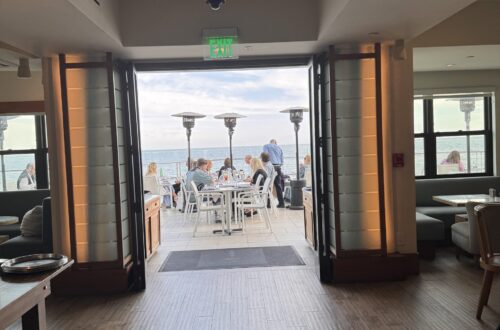
As a Registered Nurse, I am acutely aware of how environmental stimuli impact the nervous system. The “clinical serenity” I seek in dining involves a reduction in “unproductive noise”—the cacophony of crowded city streets, fluorescent glares, and erratic pacing. Sendero provides a vertical escape that immediately addresses these stressors. According to Environmental Health Perspectives, access to high-altitude views and natural horizons can significantly lower cortisol levels by providing a “prospect” vantage point that triggers an evolutionary sense of safety.
Ascending to the 24th floor, the transition from the bustling L.A. Live district below to the refined entry of Sendero acts as a cognitive palate cleanser. This is why I frame high-end dining as a form of “burnout prevention.” For medical professionals, the ability to sit above the city and process the day’s intensity is not a luxury; it is a therapeutic intervention.
Navigating the Ritz-Carlton Pan-American Highway: The Culinary Chapters
Sendero is not a singular restaurant but a journey along the coast. Conceptualized by Chef Kevin Luzande, it is divided into distinct zones: Corteza, Leña, and the Agave Library. This segmentation is brilliant for the “sensory-aware” diner because it allows you to choose your own intensity level.
Corteza: Coastal Purity

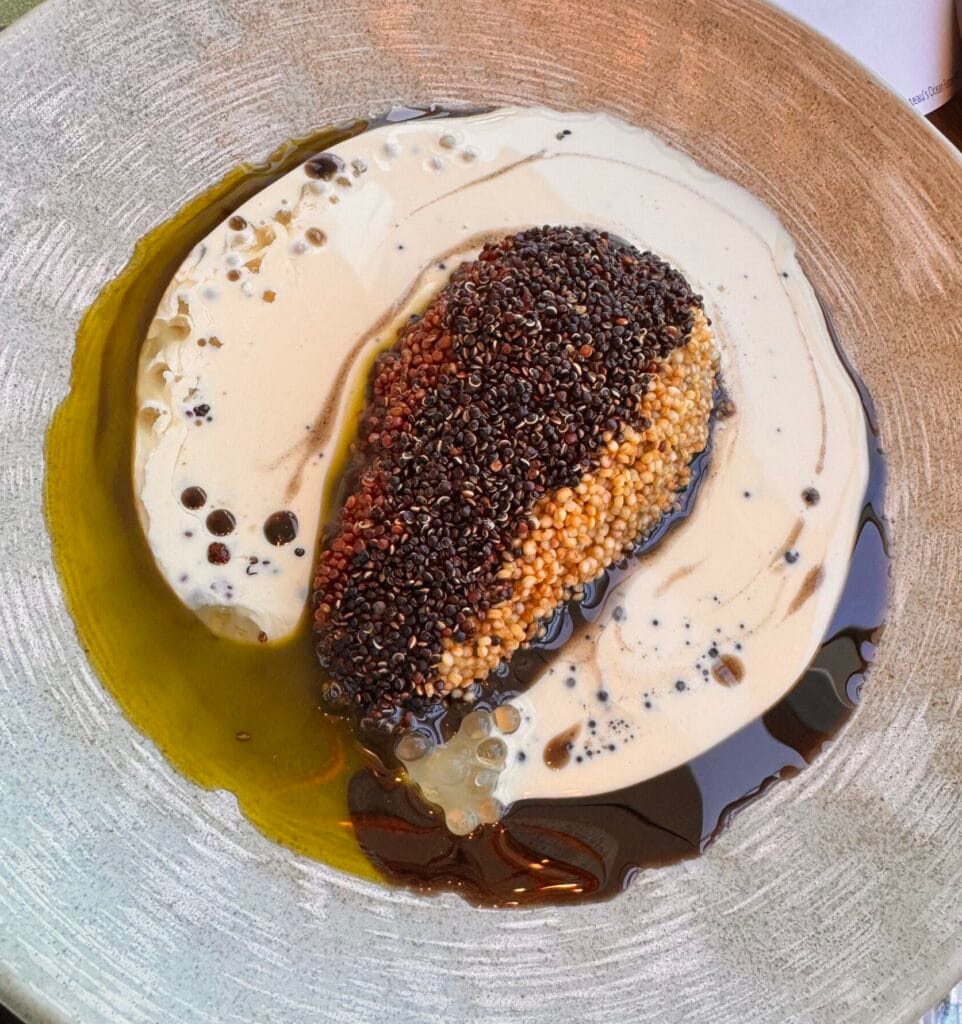
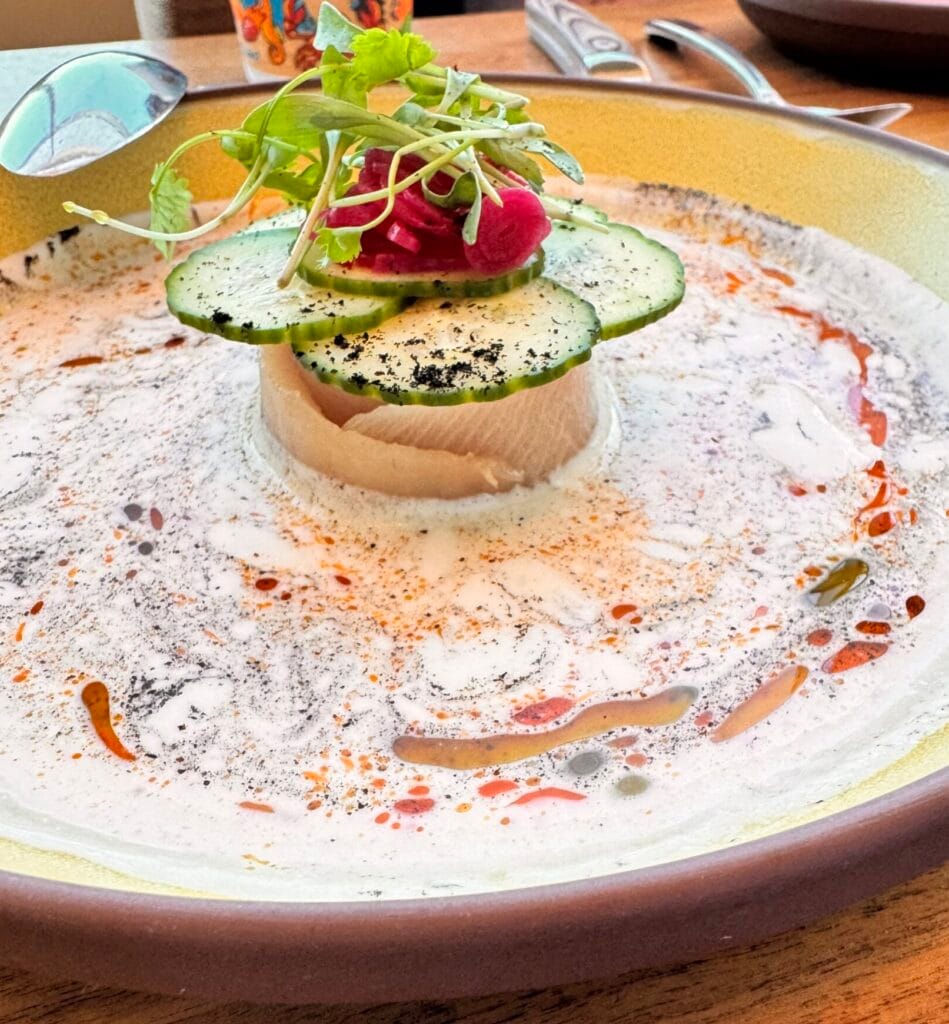
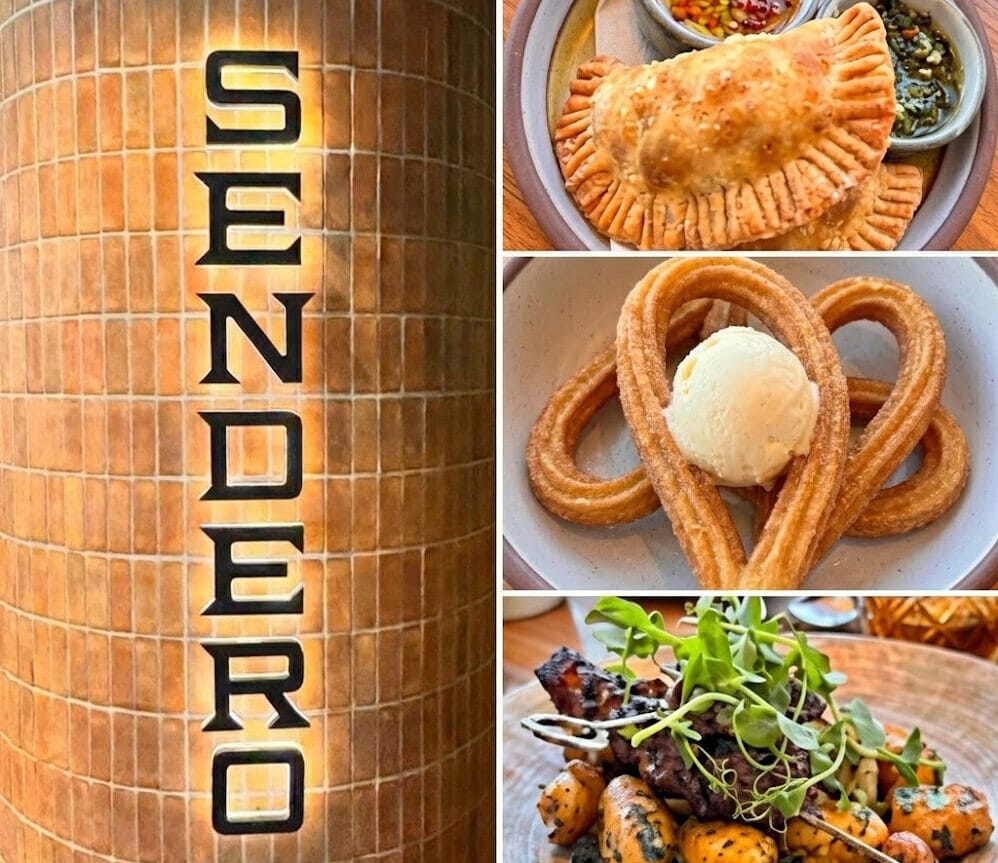
Corteza represents the lighter, market-driven soul of the restaurant. Here, the focus is on the seafood of the Pacific—from Baja to Peru. For those following a “clean beauty” or wellness-focused lifestyle, this menu is a goldmine. We started with the Agucate Relleno and the Ceviche De Coco. The coconut ceviche is a masterclass in balance; it provides the bright, acidic notes necessary to wake up the taste buds without the heavy sodium or fats that often lead to post-dinner fatigue. The World Health Organization (WHO) frequently highlights the benefits of a diet rich in lean marine proteins and healthy fats, and Corteza delivers this in a gourmet format.
We also indulged in the Queso Gobernador and Anticuchos. The skewers were perfectly charred, offering a textural complexity that high-end diners crave. However, there is a professional critique to be made here regarding the “vibe.”
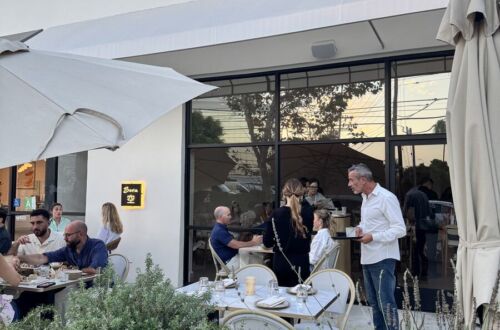
While the food at Corteza is undoubtedly five-star, the atmosphere leans surprisingly casual for a Ritz-Carlton property. When you are paying premium prices for dishes like the Verduras Embanadas, you expect a certain level of “classy” formality. Currently, Sendero feels like a “cool Latin restaurant,” but for it to truly fulfill its promise as a Ritz-Carlton landmark, it needs to elevate its upscale aesthetic to match the culinary craftsmanship.
A Ritz-Carlton Family “Check-Up”: Kids, Logistics, and Luxe
One of my consistent missions is to prove that luxury travel and dining are accessible to families. My husband, Brad—who acts as our family’s logistics expert and designated driver—and my two daughters joined me for this visit. The “vital signs” for families at Sendero are strong.
The restaurant offers a dedicated kids’ menu, which is a significant relief. One daughter enjoyed a high-quality steak while the other had a quesadilla. Finding a space that maintains its “clinical serenity” for adults while being genuinely welcoming to children is rare. According to research cited by the American Psychological Association, shared family meals in positive, low-stress environments are correlated with better emotional regulation in children. Sendero provides the perfect backdrop for this without sacrificing the adult desire for a sophisticated evening.
The Spirit-Less Spirit: A Candid Critique of the Ritz-Carlton Bar

Honesty is a core value of my brand identity. While the food was fantastic, the cocktail program left us underwhelmed. I ordered the Aftershock and Brad tried the La Sombra Portena. At these price points, one expects a “wow” factor—a complex botanical profile or a unique sensory presentation. These drinks were simply “ok.”
In my opinion, high-end cocktails at these establishments are increasingly “not worth it.” They are expensive and often lack the depth found in the kitchen’s output. The ROI (Return on Investment) for a mediocre cocktail simply doesn’t align with the “luxe-seeker” philosophy.
The Ritz-Carlton Sweet Finish: Dia de Los Muertos

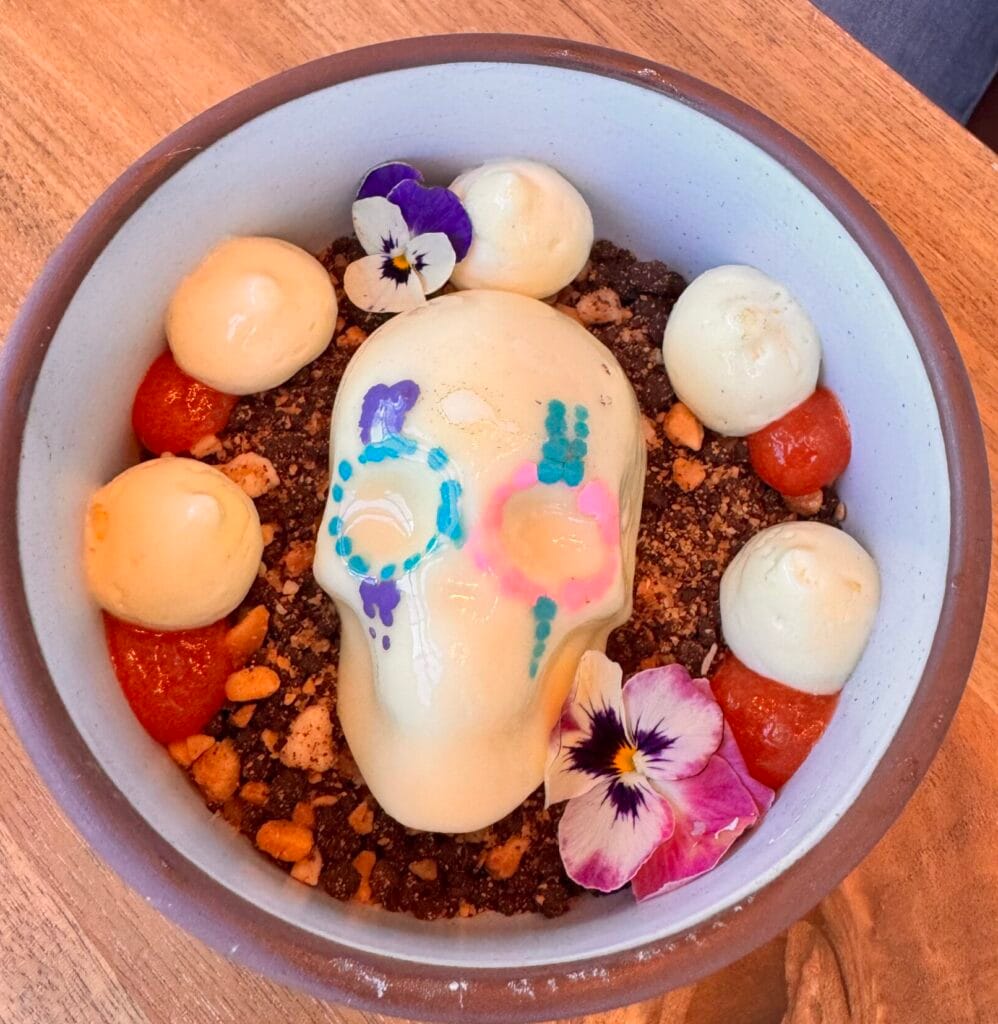
We concluded the night with the Dia de Los Muertos dessert. This was more than a course; it was a theatrical experience. The intricate presentation and deep flavors served as a final “sensory reset,” reminding us why we seek out these curated experiences. It was the highlight of the evening and a testament to the kitchen’s dedication to storytelling through food.
Deconstructing the Pan-American Flavor Profile: A Technical Analysis
To understand why the food at Sendero resonates on a “sensory” level, we must look at the specific flavor chemistry at play. Latin American cuisine, particularly the regions of Peru and Argentina highlighted in the Corteza menu, relies heavily on a balance of high acidity and Maillard-reaction complexity.
The Role of Acidity in Cognitive Refreshment
In the Ceviche De Coco, the use of fresh lime juice and coconut milk isn’t just about tropical flair. From a physiological standpoint, bright citrus notes act as a “neuro-stimulant.” When we are fatigued from a long shift in a clinical setting, our palates often become “dulled.” The sharp, clean acidity of a well-executed ceviche physically “awakens” the taste buds and, by extension, the prefrontal cortex. This is why many high-stress professionals gravitate toward coastal Latin flavors when they need to feel “recharged” rather than just “full.”
The Maillard Reaction and Grounding Aromas
In contrast, the Anticuchos and the wood-fired meats in Corteza utilize the Maillard reaction—the chemical reaction between amino acids and reducing sugars that gives browned food its distinctive flavor. For the diner seeking a sensory reset, these “charred” aromas are deeply grounding. There is an ancestral comfort in the scent of open-fire cooking that bypasses the modern “stress centers” of the brain and speaks to a more primal sense of satiety and safety.
By skillfully navigating these two extremes—the high-acid “lift” and the deep, smoky “grounding” of Corteza—Chef Luzande has created a menu that functions as a rhythmic experience for the nervous system.
The Ethics of Modern Luxury: Why “Value” Matters More Than Ever
As we navigate the post-pandemic landscape of luxury dining, the definition of “value” has shifted. For the affluent professional, value is no longer just about the cost of the ingredients; it is about the integrity of the experience. This is a core pillar of the Culinary Passages brand.
The Professional’s Dilemma: Burnout vs. Investment
We are currently seeing record levels of burnout among medical professionals and corporate executives. In this context, a $300 dinner at a place like Sendero shouldn’t be viewed as an indulgence; it is an investment in professional longevity. However, for that investment to pay off, the “delivery” must be flawless.
When I critique the casual nature of the Ritz-Carlton atmosphere or the “average” quality of a $25 cocktail, I am doing so from a place of fiscal and emotional stewardship. If a high-stress professional carves out three hours of their limited downtime to visit a 24th-floor sanctuary, every friction point—be it a lack of “classy” decor or a watered-down drink—detracts from the “recovery” ROI.
Authenticity as a Quality Metric

Sendero’s commitment to using specific agave spirits and traditional Peruvian techniques (like the preparation of the Agucate Relleno) shows a respect for cultural origin that adds a layer of “intellectual luxury” to the meal. You aren’t just eating; you are learning. This educational component is a key differentiator that elevates a restaurant from a “place to eat” to a “destination for discovery.”
Nurse’s Prescription: Strategic Logistics for Your Visit
To ensure your visit to Sendero is a seamless recovery experience, keep these logistical notes in mind:
- The HVAC Reality: The 24th floor is subject to temperature fluctuations. I recommend a light wrap or blazer to maintain thermal comfort.
- Valet Only: Avoid the stress of the L.A. Live parking structures. The Ritz-Carlton valet is essential for a frictionless transition.
Read More from Culinary Passages
If you enjoyed this deep dive into Downtown L.A. luxury, you will find these related posts essential for your next escape:
- A Luxury Afternoon at the Ritz-Carlton Marina del Rey
- How The Ritz-Carlton, Laguna Niguel Does California Coastal Luxury
- The Ultimate Guide to Weekend Brunch at Perch LA
- A Heartwarming Sojourn: The Ritz-Carlton Turtle Bay Is Magic
- Luxury Cruising 101: Navigating Specialty Dining with 30+ Sailings of Experience
About the Author
Ginger Graham is a Registered Nurse with 15 years of experience in bedside, procedural, and clinic nursing. As the author of Culinary Passages and Nurse Thoughts, she specializes in “Sensory Reset” travel and dining for high-stress professionals and affluent families. Based on the Westside of Los Angeles, Ginger utilizes her clinical background to vet luxury experiences, ensuring they provide true value and psychological decompression. She is an avid luxury cruise enthusiast with over 30 sailings and a firm believer that high-end gastronomy is a vital component of professional burnout prevention.