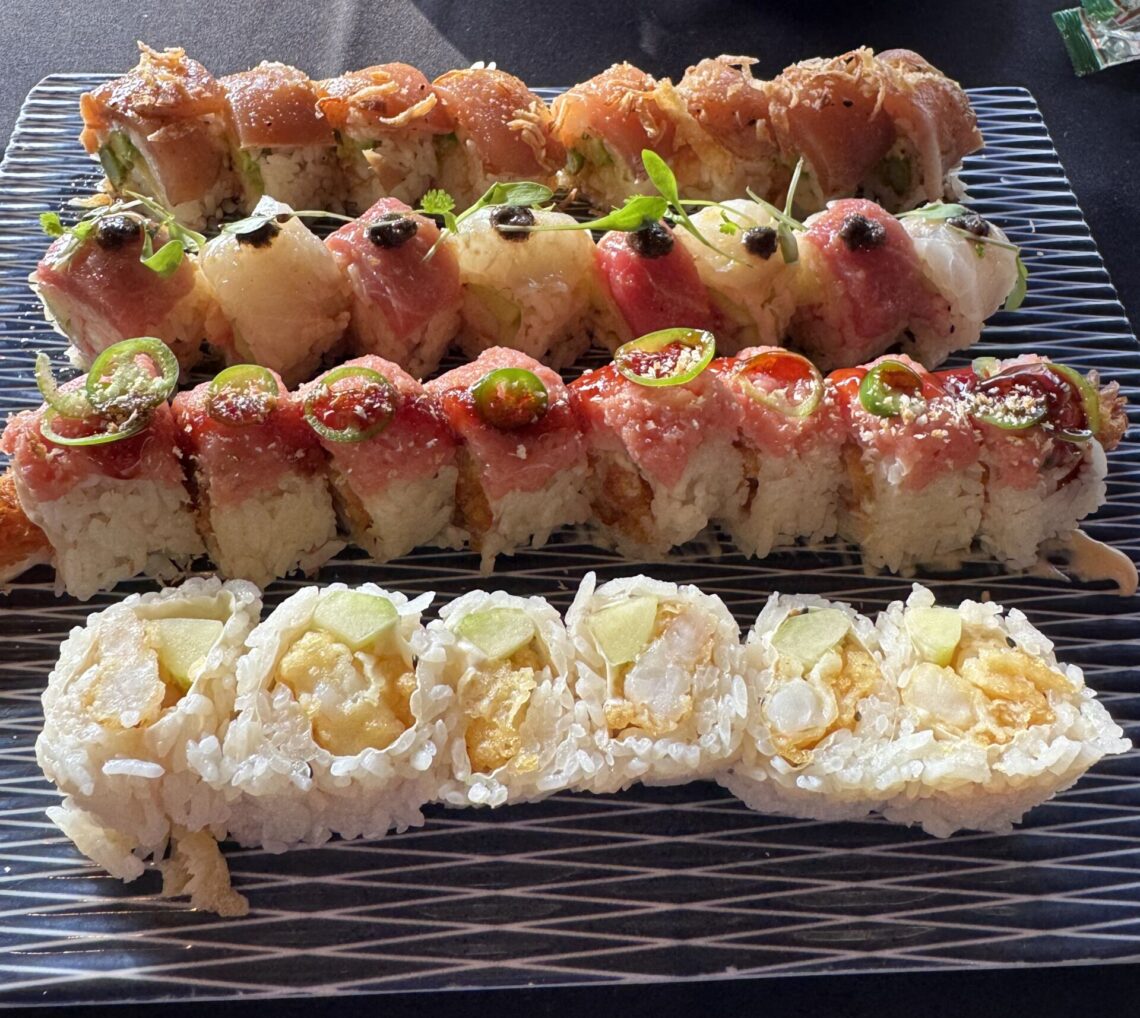
An overhead view of a large platter featuring four varieties of specialty sushi rolls, including the Tokubetsu Roll topped with delicate microgreens and black accents, the White Lotus Roll, a spicy tuna roll with jalapeño slices, and a popcorn shrimp tempura roll, served on a textured blue and white glass plate at Sushi Roku in Santa Monica.
Dining

The Little Known Truth About Sushi Roku, Santa Monica

Finding moments of intentional deceleration is sometimes essential. Sometimes that means a quiet coastal escape or a mindful dinner of artisanal sushi.

As a Registered Nurse navigating high-stress environments, I often view the world through a lens of physiological regulation. Our nervous systems are constantly bombarded with stimuli. This demands a conscious effort to seek out a sensory reset. A deliberate downshifting from the sympathetic “fight-or-flight” mode into the restorative parasympathetic state.

Fine dining has long been my chosen vehicle for this mindful decompression. When we allow ourselves to slow down and engage all five senses in a curated environment, we aren’t just eating; we are actively participating in a therapeutic practice of burnout prevention.

The quest for this specific type of culinary sanctuary recently led my family to Sushi Roku in Santa Monica. Situated steps from the iconic coastline, this upscale establishment has been a fixture of the Westside dining scene for years. The initial reason for our visit was simple. Our eldest daughter was craving sushi. Our youngest—who hasn’t quite evolved her palate to appreciate raw fish—was not joining us. This is the reason we decided to visit a sushi hotspot.

To orchestrate this excursion, I turned to my trusted digital asset for premium gastronomy management: the inKind App. I scanned our location for a restaurant that combined great food and atmosphere.

Having been to Sushi Roku many years ago, I remembered its bustling energy and popularity. Re-visiting an old classic seemed like the ideal way to spend a nice California evening.

This comprehensive guide will dissect our entire experience. We will evaluate whether this coastal staple truly justifies a spot on your luxury Westside itinerary.

Navigating the Sushi Logistics

Location

Arriving on the Westside of LA always requires a tactical approach to logistics, particularly when you are aiming to minimize stress and preserve a calm headspace before stepping into a restaurant.

Sushi Roku occupies a prominent piece of real estate on Ocean Avenue, a vibrant artery of Santa Monica that boasts stunning views but equally formidable traffic and parking challenges.

Reservations

Our strategy involved securing an early 5:30 PM reservation. Dining at this hour offered a fascinating glimpse into the operational lifecycle of a high-volume beachside restaurant.

At 5:30 PM, the dining room was remarkably quiet and virtually empty. This allowed us to absorb the architecture without the visual and auditory clutter of a peak crowd. By the time our clock struck 7:00 PM, the environment had completely transformed into a packed, high-energy space humming with patrons.

To capture the peaceful window essential for a true nervous system downshift, make an early evening reservation. It’s necessary.

Arrival

Parking in this neighborhood can easily induce frustration if you don’t map out a plan in advance. Street parking along Ocean Avenue is notoriously tricky, strictly metered, and highly competitive.

To circumvent this, we opted to utilize Santa Monica Parking Structure 4, located conveniently on 2nd Street near Arizona Avenue. This structure provides a clean, safe, and highly reliable alternative to the chaos of the curbside hunt. From Structure 4, it is a very brief walk to the restaurant’s front doors. This allows you time to clear your mind and enjoy the crisp coastal air before your meal begins.

The human component of our arrival was, fortunately, flawless. The hospitality team and floor staff at Sushi Roku were exceptionally warm, welcoming, and attentive. From the hosts to our primary server, everyone displayed a genuine friendliness that immediately fosters a welcoming environment. There were no operational friction points or service delays throughout our stay, proving that their front-of-house training remains highly polished.

At-a-Glance Sushi Logistics Summary

MetricAssessment & Details
Reservation DifficultyModerate; highly recommended via OpenTable or phone. Early slots (5:30 PM) are easy to secure, but prime times fill up rapidly.
Parking & TransitTricky curbside options. Best choice: Santa Monica Parking Structure 4 on 2nd Street for an easy, brief walk.
Ambience LevelUpscale coastal contemporary. Transitions from serene and spacious in the early evening to loud and high-energy by nightfall.
Dietary FlexibilityHigh. Excellent array of gluten-free options, traditional raw selections, cooked items, and adjustable rolls for various preferences.

Deconstructing the Sushi Atmosphere: A Sensory Assessment

From a clinical and psychological perspective, the physical design of a dining space plays a monumental role in dictating our physiological state. Color psychology, lighting levels, and acoustic properties either signal safety to our minds—allowing cortisol levels to drop—or they trigger a low-grade, subconscious stress response.

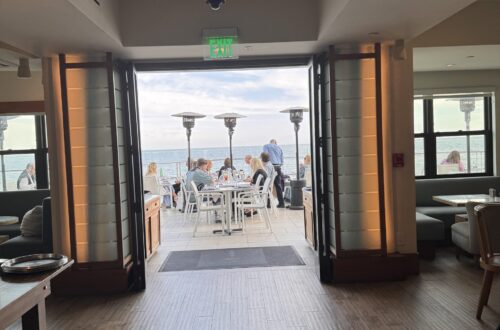
Sushi Roku utilizes a sophisticated, moody palette dominated by warm woods, deep earthy tones, and structurally dramatic accents that evoke an upscale, contemporary Japanese aesthetic. When the room is quiet, this design successfully cultivates a grounded, centered atmosphere. The interior lighting is soft and intentionally focused, casting a warm glow over individual tables while allowing the periphery to recede, which helps patrons turn their attention inward toward the companionship and the plate.

However, our specific seating assignment introduced a significant environmental variable that disrupted this delicate balance. We were seated next to a large, beautiful open window facing the street. We wanted to sit here to get some fresh air.

While the concept of welcoming fresh, saline-tinged ocean air into a dining space aligns perfectly with holistic wellness, the real-world reality of Ocean Avenue quickly shattered the serenity.

Instead of a soothing coastal breeze, the open window invited an unfiltered flow of urban noise pollution. The relentless roar of passing municipal busses, heavy trucks, accelerating motorcycles, and stop-and-go commuter traffic created a harsh, high-decibel soundscape. For anyone seeking an authentic sensory reset to soothe a fatigued nervous system, this acoustic intrusion is deeply counterproductive. The jarring sounds override the internal peace of the restaurant, making it difficult to maintain quiet, intimate conversation.

If your goal is mindful decompression, I recommend requesting an interior table well away from the street-facing windows to preserve your auditory comfort.

Culinary Breakdown: The Sushi Menu Highlights

Evaluating a menu requires analyzing how flavors, textures, and ingredient integrity intersect to create a memorable experience. While much of our meal demonstrated solid execution, certain aspects highlighted the stark divide between exceptional luxury dining and standard commercial fare.

Starters & Appetizers

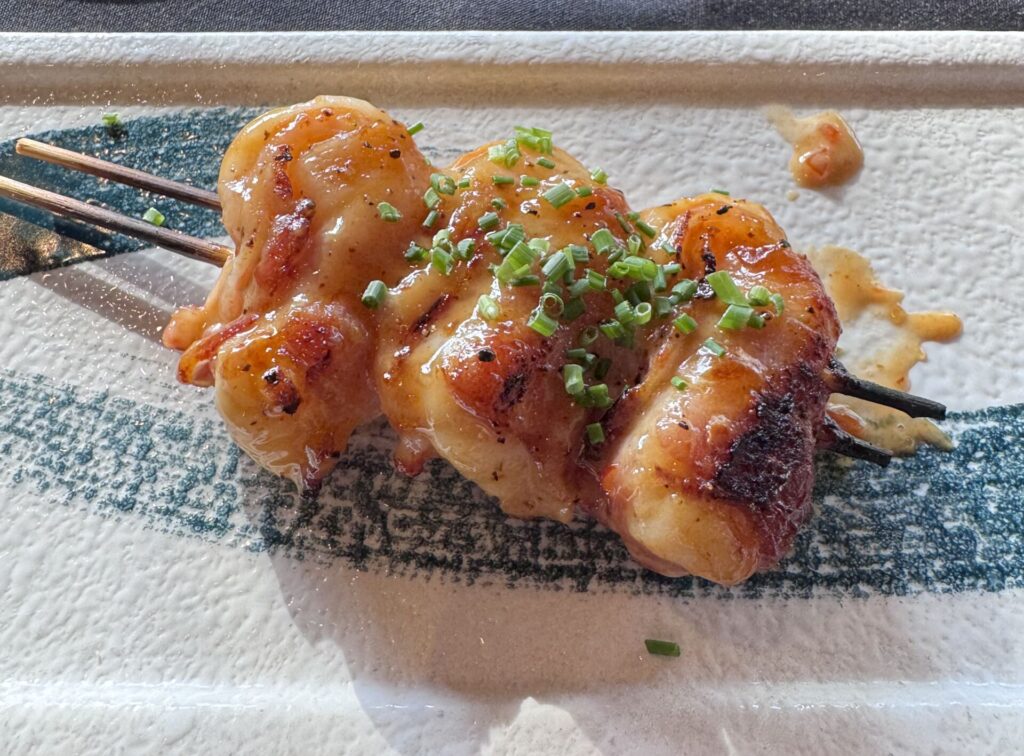
Close-up of three average-sized bacon-wrapped shrimp on wooden skewers, drizzled with glaze and topped with chopped chives, served on a textured white and teal ceramic plate at Sushi Roku in Santa Monica.

Our culinary journey began with the Bacon Wrapped Jumbo Shrimp.

To the credit of the floor staff, our server explicitly and transparently warned us that the shrimp were not particularly “jumbo” in size.

Despite this candid disclosure, our curiosity prevailed, and we opted to try the dish—a decision that ultimately resulted in a distinct sense of disappointment.

The plate arrived featuring three average-sized shrimp enveloped in strips of bacon. Upon tasting, it became immediately clear that the seafood lacked that vibrant, sweet crispness characteristic of truly fresh catch. Instead, the shrimp felt uninspired, while the accompanying bacon was excessively fatty and under-rendered.

The resulting mouthful was a heavy, unctuous combination of unrefined fat and mediocre protein rather than a crisp, harmonious marriage of land and sea.

For a discerning palate looking to maximize nutritional and sensory value, this dish is a definitive skip.

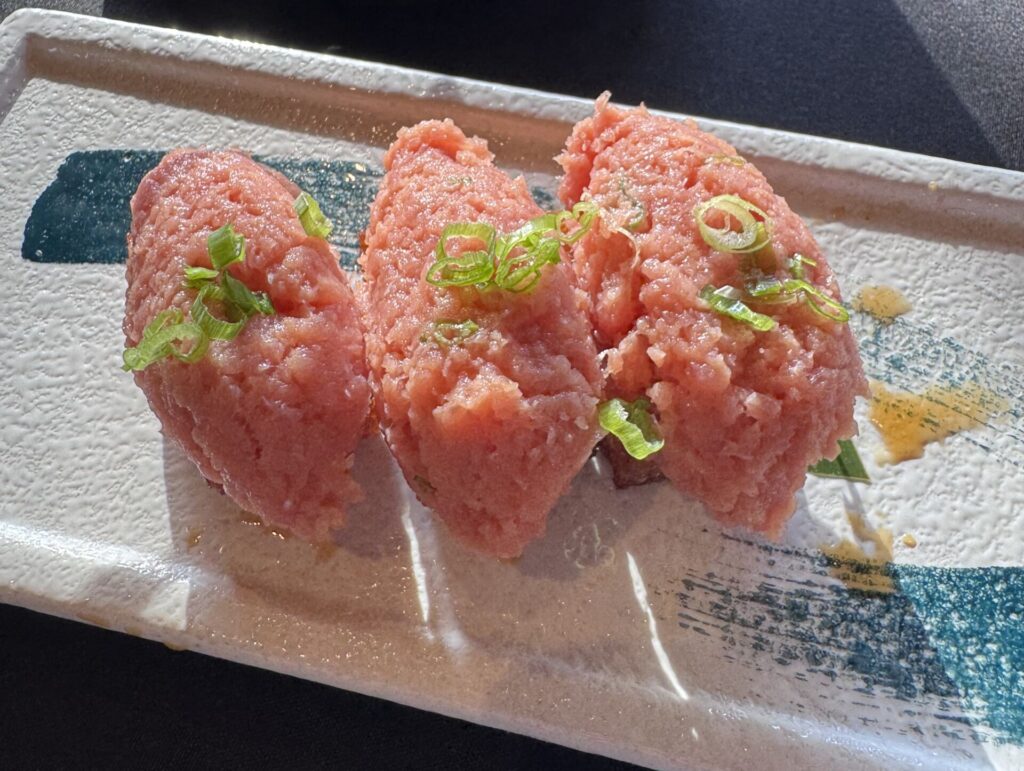
Close-up of three pieces of spicy tuna on crispy rice garnished with chopped green onions, served on a textured white and blue ceramic plate at Sushi Roku in Santa Monica.

Fortunately, the appetizer course redeemed itself with the Spicy Tuna on Crispy Rice. This dish has become a ubiquitous marker of modern Japanese-American menus, and Sushi Roku executes it with textbook precision.

The foundation of rice was expertly fried—boasting a golden, deeply resonant crunch on the exterior while remaining yielding and warm within. The spicy tuna topping was remarkably fresh, clean, and perfectly balanced with a subtle, warming heat that did not overwhelm the delicate nature of the fish.

It offered a highly satisfying contrast of textures that provided a much-needed positive spark to our palate.

Main Courses

Moving into the core of our meal, we focused our attention on an assortment of signature sushi rolls, which allowed us to evaluate the freshness of their raw program and the creativity of their flavor combinations.

Our daughter received her Popcorn Shrimp Tempura Roll and thoroughly enjoyed it; the roll delivered exactly what it promised—a pleasing crunch, accessible flavors, and a comforting presentation tailored perfectly for a younger enthusiast.

For my husband and myself, the selections included the Yakumi Roll, the Tokubetsu, and the White Lotus Roll. The Yakumi Roll proved to be a solid, dependable anchor on the table. It was clean, cleanly sliced, and showcased fundamentally sound technique with fresh fish, though it failed to leave a lasting creative impression.

Sushi Flavor Profiles

Our experience with the Tokubetsu, however, was much more complicated. This creation attempted an ambitious flavor profile by marrying a deeply savory black truffle pesto with a sharp, acidic yuzu vinaigrette.

From a culinary standpoint, these two powerhouse ingredients ended up in a jarring structural conflict on the tongue. The heavy, musky, earth-bound notes of the truffle pesto fought aggressively against the bright, high-toned citrus of the yuzu, rather than finding a harmonious middle ground. While the inherent quality of the raw fish beneath the sauces was undeniably fresh, and I successfully finished the portion, the dish lacked balance. It is a combination I would not repeat.

The crown jewel of the evening was the White Lotus Roll. This preparation was an absolute masterclass in balance and restraint. The fish was pristine, buttery, and exceptionally fresh, melting effortlessly upon the palate. The accents within the roll were carefully calibrated to enhance, rather than mask, the natural sweetness of the seafood. Every bite was an absolute pleasure, offering that clean, elevated gastronomic experience that satisfies both the body and the soul. If you find yourself at Sushi Roku, this specific roll demands a place on your order.

Dessert: A Theatrical Spectacle

To conclude the evening, we ventured into the restaurant’s sweet offerings, opting for an undeniably theatrical creation: a traditional New York cheesecake hidden beneath a dramatic dome of vibrant spun cotton candy.

The presentation is a spectacle; upon arriving tableside, the server carefully sprays the pink confection with a fine mist of alcohol and ignites it with a flash of fire. In a matter of seconds, the cotton candy melts away in a bright blaze, dramatically unveiling the rich cheesecake concealed beneath.

While our daughter thoroughly enjoyed the vibrant, front-row show, and the surrounding tables couldn’t help but watch the performance unfold, the actual flavor profile was nothing to rave about. The intense, cloying sweetness of the melted cotton candy sugar didn’t particularly harmonize with the dense, tangy notes of the cheesecake. It stands as a highly engaging piece of culinary theater perfect for capturing visual media, but it ultimately prioritizes novelty over balanced gastronomic execution.

Elixirs, Cocktails, and Mindful Sushi Pairings

A luxury dining experience is never fully realized without considering the liquid accompaniment, which serves to cleanse the palate and enhance the overall mood of the evening. To complement the clean, delicate profiles of our favorite raw dishes, choosing a crisp, mineral-forward beverage is essential.

Whether you select a premium, dry Japanese sake served at an optimal chilled temperature or a bright, un-oaked white wine, the goal is to introduce a fluid that cuts through the rich fatty acids of premium fish without muddying the tastebuds. For those practicing mindful consumption or choosing a non-alcoholic path to support nervous system health, look for mocktails infused with freshly grated ginger, cucumber water, or green tea extractions. These botanical elixirs mimic the digestive benefits of traditional wasabi and pickled ginger, promoting optimal gut health while keeping your mind sharp, present, and fully attuned to the sensory inputs of the meal.

The Core Wellness Takeaway: Why This Experience Matters

In our hyper-accelerated society, burnout prevention requires more than just passive rest; it demands an active, intentional commitment to presence. As a nurse, I am acutely aware of how chronic stress impairs digestion, elevates systemic inflammation, and clouds cognitive function. The simple act of sitting down for a multi-course meal with loved ones should ideally serve as a profound form of self-care—an opportunity to practice absolute mindfulness by focusing entirely on the flavors, textures, and conversations at hand.

“True wealth is the ability to fully experience life. When we slow down our dining process, we transform a basic biological need into a deeply restorative ritual for the mind and body.”

Our dinner at Sushi Roku offered a powerful lesson in environmental awareness and intentionality. While the service was exemplary and the White Lotus Roll provided a genuine moment of gastronomic joy, the intrusive roar of traffic from the open window served as a stark reminder of how easily the external world can encroach upon our internal peace.

To truly savor the moment, we must become fierce protectors of our personal environments. This means realizing that a culinary escape is only as good as its weakest sensory link. True decompression happens when we intentionally align all variables—demanding both the internal quality of the food and the external calmness of the space match our wellness goals.

Final Verdict & Practical Tips for Your Visit

To summarize our coastal dining excursion, Sushi Roku Santa Monica remains a highly capable, beautifully staffed establishment that delivers solid, reliable execution. However, when measured against the incredibly competitive landscape of high-end sushi spots scattered across the Westside and greater Los Angeles, it struggles to establish itself as a mandatory destination.

The ingredients are undeniably fresh (with the exception of the ill-fated bacon-wrapped shrimp), but the menu lacks that singular, transcendent culinary innovation that commands a dedicated journey. It stands as a reliable, highly convenient option if you happen to be strolling near the Santa Monica Pier or shopping along the Third Street Promenade, but it does not quite rise to the level of an independent culinary pilgrimage.

Recommendations for an Enhanced Visit

  • Who It Is Best For: Families with older children seeking an upscale yet approachable environment, groups looking for an energetic evening out, or casual diners utilizing the inKind App for localized Westside dining management.
  • The Must-Order Item: Without question, secure the White Lotus Roll. Pair it immediately with the Spicy Tuna on Crispy Rice for a stellar study in textural contrast.
  • Pro-Tip for an Enhanced Experience: When executing your reservation or speaking with the host team upon arrival, explicitly request an interior booth or table away from the open street-facing windows. This small environmental adjustment will completely isolate you from the harsh acoustic disruption of Ocean Avenue traffic, effectively preserving your peace and ensuring a far more relaxed, restorative dining experience.

Read More From Culinary Passages

If you are looking to map out your next luxurious escape or sensory dining journey, explore our curated archive of local guides and expert wellness insights:


About the Author

Ginger Graham is the founder, lead creator, and voice behind Culinary Passages and Nurse Thoughts. As a Registered Nurse for 15 years, she brings a unique, holistically grounded perspective to the worlds of luxury travel and fine dining. Ginger believes that intentional, sensory-rich travel and mindful gastronomy are vital components of a sustainable lifestyle. She dedicates her time to uncovering environments that foster true nervous system decompression and mental resets. When not analyzing menus or exploring coastal landscapes, Ginger can be found exploring the vibrant culinary neighborhoods of Southern California.


Authority References

To ensure the highest standards of informational integrity and compliance for digital publishing, this article aligns with established insights from leading academic, medical, and culinary institutions. For further reading on the physiological and psychological concepts discussed in this guide, consider exploring these foundational resources:

  1. The Physiology of the Autonomic Nervous System: To understand how external environments trigger shifts between sympathetic tension and parasympathetic relaxation, review the comprehensive medical literature provided by the Mayo Clinic Academic Proceedings.
  2. The Impact of Noise Pollution on Mental Well-being: For a deeper dive into how urban acoustic stress affects cortisol levels and digestive health, examine the environmental health guidelines published by the World Health Organization (WHO).
  3. The Psychology of Mindfulness and Sensory Savoring: Explore peer-reviewed studies on how intentional sensory focus mitigates burnout and enhances cognitive resilience through the Harvard T.H. Chan School of Public Health.
  4. Nutritional Psychiatry and Gastrointestinal Health: To discover how fresh, high-quality seafood and omega-3 fatty acids directly support neurological health and mood regulation, consult the clinical research database at Johns Hopkins Medicine.
  5. Contemporary Standards in Japanese Gastronomy: For insight into traditional flavor profiles, ingredient sourcing, and balance within modern Japanese-American culinary arts, reference the educational archives of the Culinary Institute of America (CIA).

Leave a Reply

Your email address will not be published. Required fields are marked *