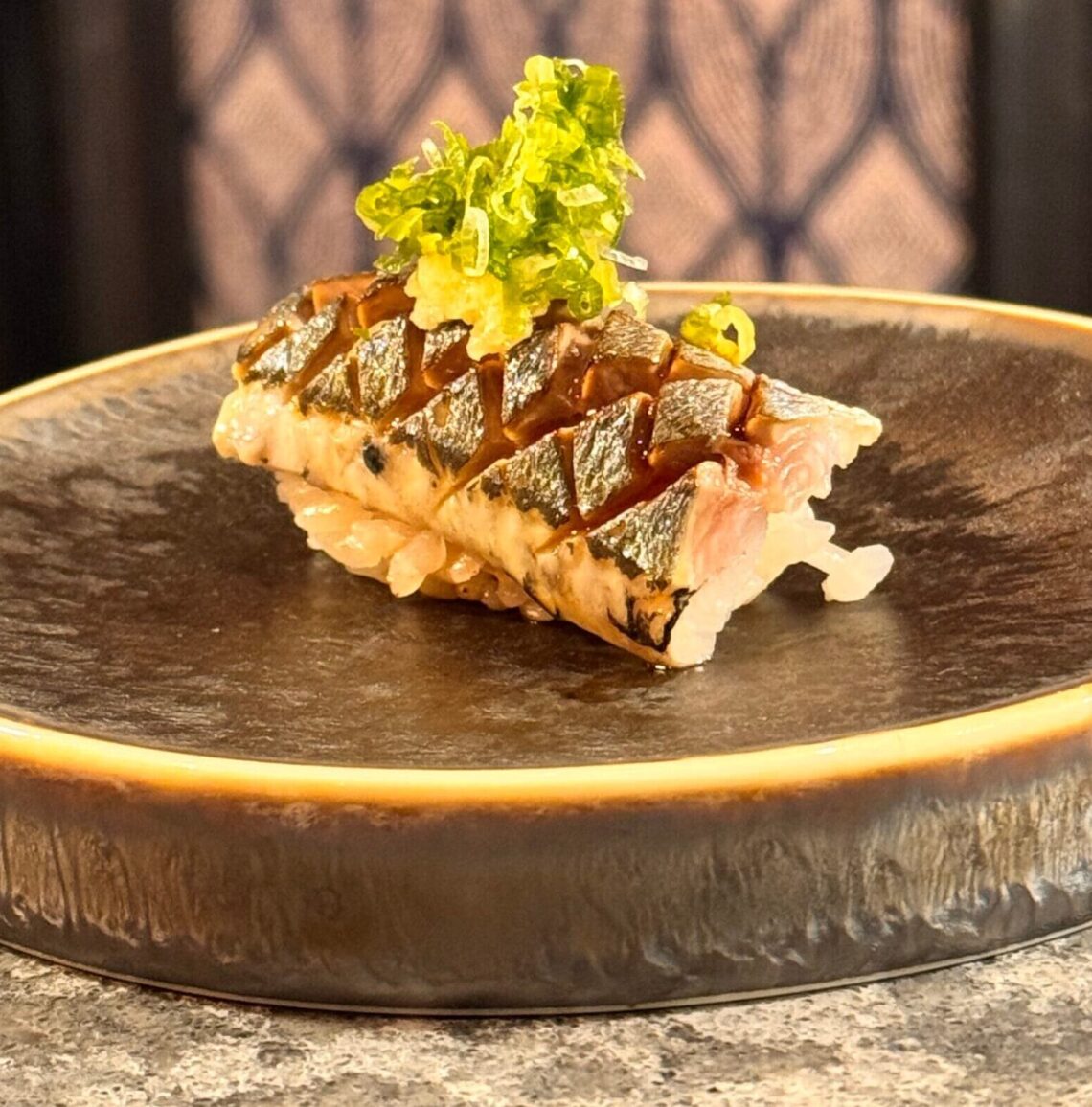
Brad took me to omakase for my fortieth birthday. Not the truncated version where you order off a menu and the chef makes a few selections — the full counter-seating, multi-hour, chef-driven experience where you eat what you are given and the progression tells a story. It was at a small counter in Brentwood with eight seats total and a two-month wait list, and it changed how I think about what a meal can be. If you’ve never done a proper omakase, this is what it actually is, how to approach it, and where to go in Los Angeles.
What Omakase Actually Is
Omakase means “I leave it up to you” — the diner surrenders the selection entirely to the chef. In practice, this produces a meal structured around the chef’s vision for what ingredients are best that day, in what sequence, prepared how. At a serious omakase counter, the fish has been sourced that morning from a specific market or supplier. The rice has been calibrated for temperature and seasoning to match the fish it will be paired with. The meal is a sequence of decisions you do not make, served by someone who has been making them every day for years. It’s less like ordering dinner and more like attending a performance where you happen to also eat.
What to Expect
A counter seat. No substitutions, with the exception of genuine allergies communicated in advance. The courses will range from cooked preparations at the beginning to a procession of nigiri sushi in the middle to something sweet at the end. You’ll be asked if you have any restrictions before the meal starts. Communicate them honestly — a good omakase chef adapts, but they cannot adapt to what they do not know. Expect the whole thing to run one to two hours or more, and expect a pace set by the chef rather than by you.
The rice matters as much as the fish. This is the thing that separates good omakase from great omakase. The seasoned sushi rice — its temperature, the vinegar balance, the texture — is what the nigiri is built on, and a chef who treats the rice as an afterthought produces a meal that is less than the sum of its ingredients. Once you notice this, you can’t un-notice it, and it becomes the single best gauge of whether a counter is serious.
Counter Etiquette for First-Timers
- Eat nigiri promptly. When a piece is placed in front of you, it’s meant to be eaten right away, at the temperature and moment the chef intends — not photographed for five minutes first.
- Use your hands for nigiri if you like. It’s traditional and perfectly acceptable; chopsticks are fine too.
- Go easy on the soy sauce. Many pieces are already seasoned or brushed with nikiri; taste before reaching for more.
- Ask questions between courses. A good chef welcomes genuine curiosity about the fish and its sourcing — it’s part of the experience.
- Skip strong fragrance. Perfume and cologne interfere with the delicate aromas at a sushi counter.
Where to Go in Los Angeles
The best omakase experiences in Los Angeles require reservation lead times measured in months, not days. n/naka in Palms (3455 Overland Ave) is the most acclaimed — chef Niki Nakayama’s Michelin-starred, California-kaiseki-influenced tasting menu, which The New Yorker has called the most prominent kaiseki restaurant in America. Reservations open well ahead and disappear almost immediately, so you plan around the booking window, not the meal. Shunji in West LA and Sushi Takeda in the Little Tokyo area are both worth the effort of getting into. These are not casual dinners. They are meals you plan around.
For a first omakase experience, I’d recommend a mid-range counter rather than starting at the very top. The format is new enough to most people that your first time you’re still learning how to eat it — learning to pace yourself, learning to ask questions between courses, learning what you’re tasting. Save the top-tier, several-hundred-dollars-a-person experience for when you know what you’re looking for and can fully appreciate what makes it exceptional.
What It Costs and How to Book
Omakase pricing spans a wide range. Neighborhood counters can run well under a hundred dollars per person, while the destination rooms like n/naka climb into the several-hundreds — its special seasonal menus have been priced around $365 per person. Most serious counters take reservations through booking platforms that release seats on a set schedule (often a month or more out), so the practical trick is knowing when the window opens and being ready the moment it does. Many also charge in advance or hold a card, and cancellation policies are strict, because an empty counter seat is a real loss at a room with only eight or ten of them.
Frequently Asked Questions
What’s the difference between omakase and a regular sushi meal?
In omakase you don’t order — the chef chooses and sequences everything based on the day’s best ingredients. A regular meal is à la carte, driven by your choices. Omakase is a guided progression; a menu meal is a selection.
Can I go if I have allergies or dislikes?
Genuine allergies, yes — communicate them when you book and again before the meal. Broad “I don’t like fish” requests don’t really work at a sushi omakase, since the format is built around the chef’s selection.
Is omakase worth the price?
For a special occasion, absolutely. You’re paying for sourcing, skill, and a curated experience you can’t replicate at home. Start mid-range for your first time, then decide whether the top tier is worth it for you.
The Bottom Line
Omakase is one of the few dining experiences that genuinely rewards surrender — you give up control and get, in return, a meal shaped by someone who has spent years learning to make exactly these decisions. Start at a mid-range counter, pay attention to the rice, mind the simple etiquette, and book the destination rooms far in advance. It changed how I think about a meal; done right, it might do the same for you.