The Indian food conversation in Los Angeles has gotten more interesting over the last five years, mostly because a generation of chefs is cooking regional Indian food instead of the pan-Indian restaurant cuisine most Americans grew up with. I’ve been paying attention, and eating enough of it to have opinions.
“Curry” Is Basically a British Invention
For decades, “curry” has meant one thing in the West: a thick, yellow-orange gravy, a rotating protein, rice, and naan. That version is largely a colonial simplification. The earliest known English recipe for “currey” shows up in Hannah Glasse’s 1747 cookbook, The Art of Cookery Made Plain and Easy, and it called for rabbit, spices, and cream — a distinctly Anglo-Indian invention. The British later commercialized the idea into generic curry powder, exported across the empire, and in the process flattened a huge range of regional cooking into one word.
In India, a cook doesn’t reach for curry powder. Flavor gets built from the ground up — a dry-roasted, ground Punjabi garam masala, a wet coconut-and-chili paste for a Goan xacuti, mustard seeds and curry leaves tempered in hot oil for a Keralan thoran. The technique, the spice blend, the souring agent, and the cooking fat all shift dramatically from one region to the next.
Better Ingredients, Same Techniques
The other shift is ingredient quality. For a long time, strong spicing covered for average ingredients. That’s changing — modern Indian kitchens are applying a farm-to-table approach with the same seriousness you’d see at a high-end Californian or French restaurant: seasonal local produce, Snake River Farms wagyu, Mary’s organic chicken, sustainable seafood, single-origin spices like bright red Kashmiri chilis, fiery Guntur chilis, and Tellicherry peppercorns, toasted and ground in-house.
Two Chefs Defining the Movement
Gaggan Anand, trained at Spain’s elBulli, is the disruptor — his Bangkok restaurant held two Michelin stars and was repeatedly named the best restaurant in Asia. He applies molecular gastronomy to Indian street food and calls it “progressive Indian cuisine,” including a 25-course, emoji-based tasting menu with dishes like “Yogurt Explosion” and “Lick It Up,” a dish eaten by literally licking sauce off the plate, set to the Kiss song of the same name.
Vikas Khanna, the Michelin-starred, New York-based chef and filmmaker, takes the opposite approach: less deconstruction, more elevation. His stated philosophy is about respecting the essence of Indian flavors while staying open to evolution — enhancing the soul of the food rather than diluting it.
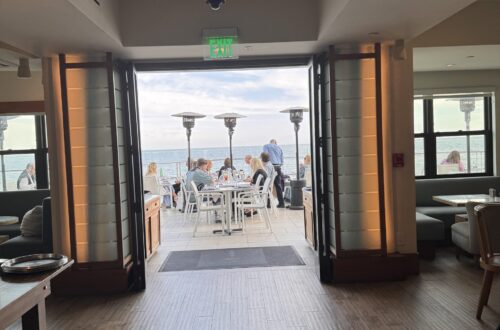
Kahani, at the Ritz-Carlton Laguna Niguel
Which brings me to a bluff in Dana Point. Kahani, which means “story” in Hindi, is run by Chef Sanjay Rawat, who built his reputation crafting elaborate wedding feasts for the Indian community before the restaurant itself started as a Diwali pop-up and became permanent.
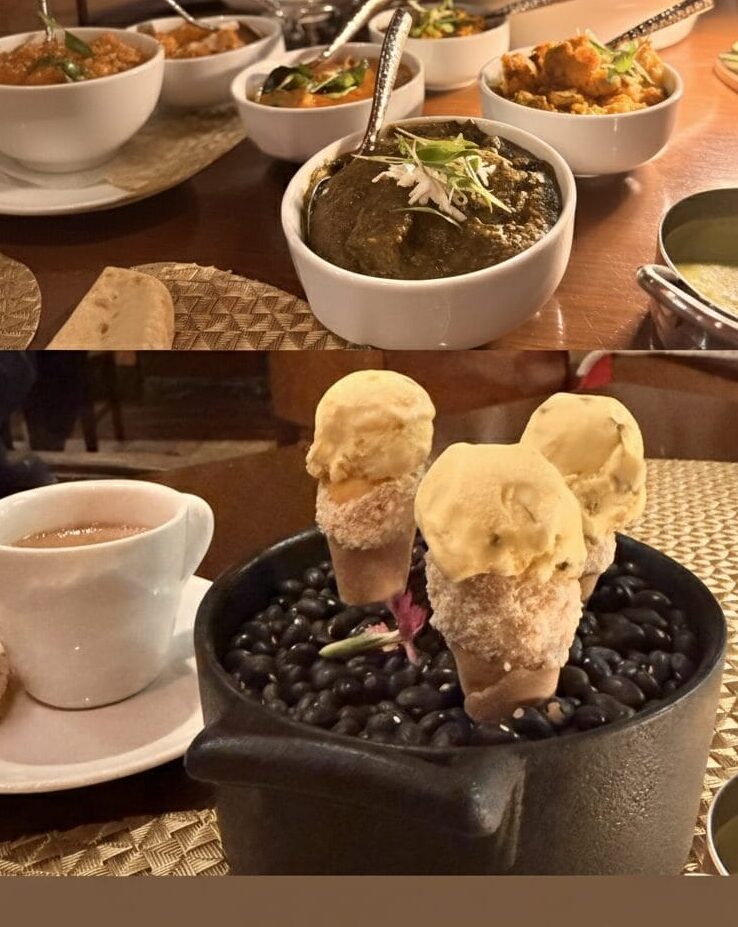
This was my second visit. The Tuna Bhel Puri reworks a humble street snack — puffed rice, vegetables, chutneys — into a crudo built on pristine ahi tuna and avocado chutney. The Ajwain Scallop is seared and set against a butternut squash puree and a green pea masala. The Chicken Tikka Masala uses Mary’s chicken, marinated for hours and smoked in the tandoor, in a sauce built from sun-ripened tomatoes, fenugreek, and butter — nothing like the sweet orange sauce from a buffet line. The Snake River wagyu short rib comes with sabudana khichdi (tapioca pearls), and the Masala Paneer En Croute wraps paneer in a French pastry crust, served with a makhani sauce that does the real work. The Chennai Sea Bass comes with a South Indian-style bean ragu, and the Old Delhi Chicken Biryani is layered and fragrant, the way biryani is supposed to be.
I always look for an excuse to visit the Ritz-Carlton, Laguna Niguel, and having a restaurant this good on property is a real part of what makes it worth the drive. Kahani isn’t just a convenient hotel restaurant — it’s become a destination on its own, and I’ll be back for a third visit before long.
Read More on Culinary Passages
If you enjoyed this, check out a few other posts along the same lines: