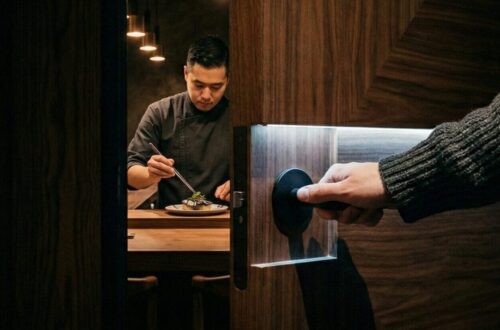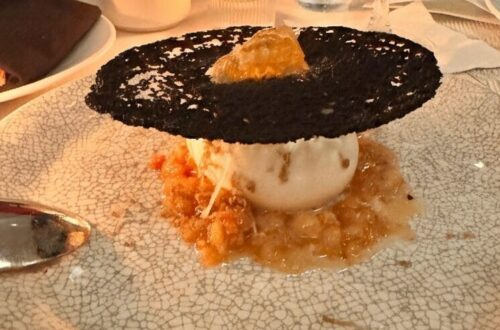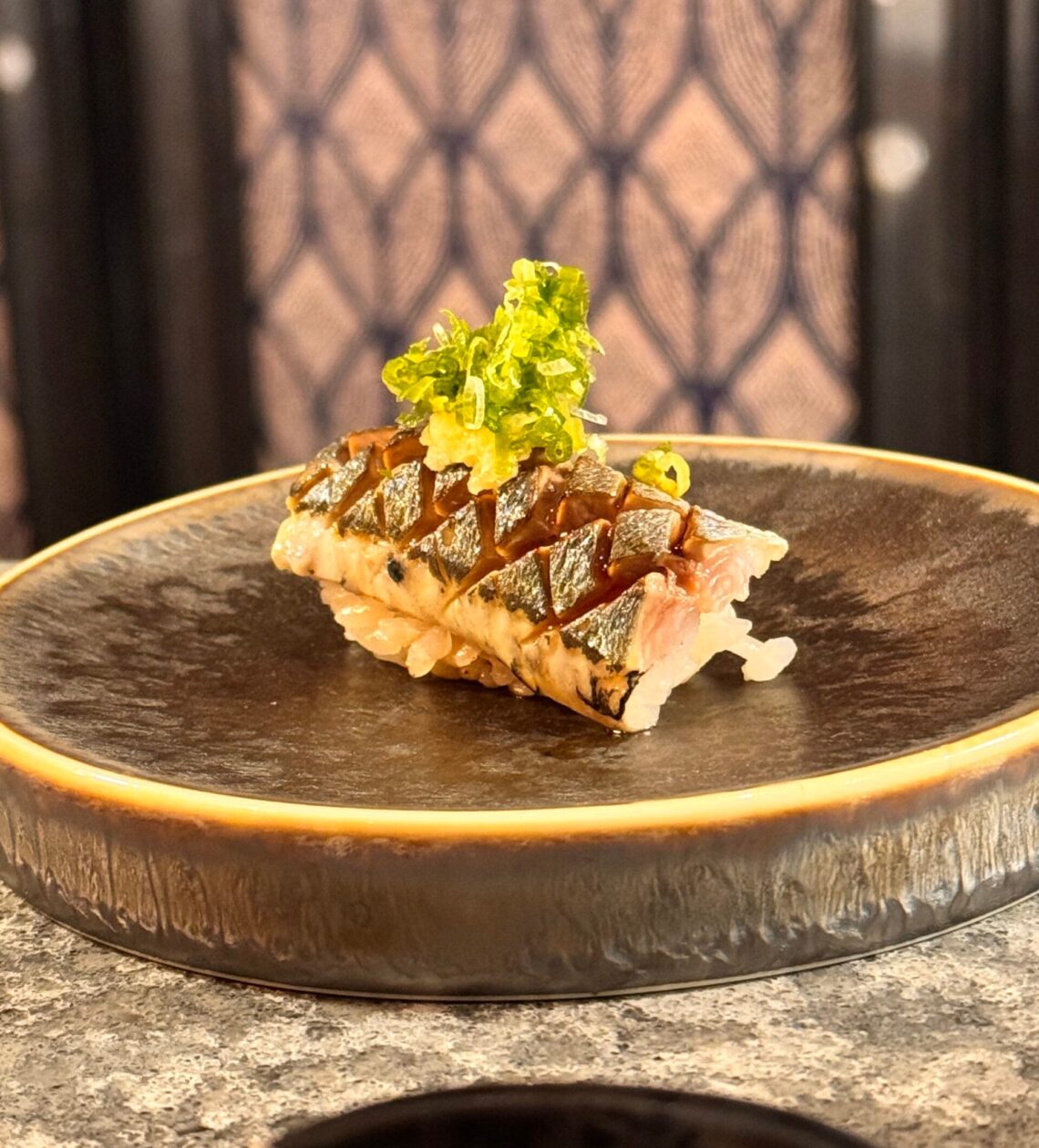
For the discerning diner, there are few culinary experiences as intimate, surprising, and ultimately satisfying as omakase. The word itself, whispered with a certain reverence in foodie circles, translates to “I’ll leave it up to you.” But the meaning of omakase extends far beyond a simple “chef’s choice.” It’s a declaration of trust, an invitation to a culinary conversation between chef and diner, and a journey into the heart of Japanese cuisine.
This guide will be your all-access pass to the world of omakase. We’ll explore its rich meaning and history, and for our readers in Southern California, we’ll unveil the best omakase experiences in the region. We’ll also delve into what separates a good omakase from a truly great one, and help you decide if this unique dining style is right for you.
The Meaning of Omakase: More Than “Chef’s Choice”
At its core, omakase is about placing your trust in the chef, or itamae. You are relinquishing control and allowing an expert to guide you through a meal crafted from the finest, freshest ingredients of the day. This is not a passive experience, but an interactive performance. The chef, much like a conductor leading an orchestra, sets the tempo and selects the “notes”—the individual dishes—to create a harmonious and memorable symphony of flavors.
The omakase experience is a celebration of seasonality. The menu is not static; it changes daily, reflecting the best of what the market has to offer. One day, you might be treated to the delicate sweetness of live sea scallop, and the next, the rich, fatty marbling of bluefin tuna belly. This emphasis on seasonality is a cornerstone of Japanese cuisine, and in an omakase setting, it is elevated to an art form.
A Brief History of Omakase: From Street Food to Culinary Heights
The concept of omakase has its roots in the Edo period (1603-1868) in Japan. During this time, sushi wasn’t the high-end delicacy it is today, but rather a form of fast food sold from street stalls. Customers would eat whatever the chef had on hand, which was, by necessity, the freshest catch of the day. This was an informal version of “chef’s choice.”
The modern, more formal style of omakase began to take shape in the 20th century, particularly in the post-war era as Japan’s economy grew. As customers became more affluent and discerning, sushi chefs began to offer more elaborate and curated dining experiences. The 1990s saw a surge in the popularity of omakase, both in Japan and internationally, as diners sought out more authentic and personalized culinary adventures. Today, omakase is considered the pinnacle of Japanese dining, a testament to the skill, artistry, and dedication of the itamae.
The Best Omakase Experiences in Southern California
Southern California is a hotbed of exceptional Japanese cuisine, and its omakase scene is second to none. Here are our picks for the must-try omakase experiences in the region, ranging from traditional Edomae-style to modern Californian-inflected interpretations.
- Sushi Kaneyoshi (Los Angeles): Tucked away in the basement of a Little Tokyo office building, Sushi Kaneyoshi offers what many, including Time Out Los Angeles, consider to be one of the best omakase in the city. Chef Yoshiyuki Inoue’s Edomae-style sushi is a masterclass in precision and flavor.
- Hayato (Los Angeles): With two Michelin stars, Hayato is more than just a meal; it’s a journey into the refined world of kaiseki, a traditional multi-course Japanese dinner. The focus here is on seasonal ingredients and exquisite presentation.
- n/naka (Los Angeles): Another two-Michelin-starred gem that Time Out raves about, n/naka, led by Chef Niki Nakayama, presents a modern interpretation of kaiseki with a Californian sensibility. The 13-course tasting menu is a stunning display of culinary artistry.
- Morihiro (Los Angeles): Chef Morihiro Onodera is a legend in the Los Angeles sushi scene, and his Atwater Village restaurant is a testament to his four decades of experience. The omakase here is a showcase of dry-aged and fresh fish, with a focus on the quality of the rice.
- Sushi Ginza Onodera (West Hollywood): This Michelin-starred restaurant offers a luxurious and traditional Edomae-style omakase experience. The fish is flown in daily from Tokyo’s Toyosu market, ensuring unparalleled freshness.
- Shunji Japanese Cuisine (Santa Monica): Chef Shunji Nakao, one of the original chefs at the famed Matsuhisa, offers a refined and upscale omakase experience that is consistently ranked among the best sushi spots in LA. The menu features both traditional nigiri and inventive, seasonal appetizers.
- Shin Sushi (Encino): This Michelin-starred gem in the San Fernando Valley offers an intimate and traditional omakase experience. Chef Taketoshi Azumi’s passion for his craft is evident in every piece of nigiri.
- Omakase by Gino (Santa Ana): In Orange County, Chef Gino Choi’s Omakase by Gino is a must-try. This Michelin-starred spot offers a creative and contemporary take on omakase, with a focus on unique flavor combinations.
- R|O-Rebel Omakase (Laguna Beach): This intimate, reservation-only restaurant in Laguna Beach offers a modern and rebellious take on omakase. The Michelin Guide praises Chef Jordan Nakasone’s menu, which is rooted in tradition but features contemporary and global influences.
A Spotlight on Taikun Omakase, Laguna Beach
A relative newcomer to the Southern California omakase scene, Taikun Omakase has quickly made a name for itself with its luxurious and modern take on this traditional dining experience. Located at the Ritz-Carlton, Laguna Niguel, Taikun is a pop-up from a New York-based group, bringing a cosmopolitan flair to the Orange County coast.
Adrian and Chef helms the intimate, eight-seat sushi counter, offering a 16-course omakase that showcases premium ingredients sourced from around the world, with a special emphasis on fish from Tokyo’s famed Toyosu Fish Market.
How Taikun Compares & What to Expect
Taikun sets itself apart from many of the more traditional, Edomae-style omakase restaurants.
- Modern vs. Traditional: While places like Sushi Kaneyoshi and Hayato are deeply rooted in traditional Japanese culinary techniques, Taikun embraces a more modern and even playful approach. Expect creative flavor combinations and non-traditional flourishes.
- Luxury and Ambiance: Situated in the Ritz-Carlton, Taikun offers a decidedly upscale and luxurious ambiance. This is in contrast to some of the more minimalist and zen-like settings of other top-tier omakase establishments.
- A Global Palate: While all top restaurants prioritize high-quality ingredients, Taikun’s menu reflects a more global perspective. Signature dishes, as noted by food blogger KevinEats, incorporate decadent ingredients like caviar and truffles.
For your upcoming visit, trust the chef and let him guide the experience. Be on the lookout for standout dishes like the A5 Japanese Wagyu and Truffle, Hokkaido Uni and Osetra Caviar or the Otoro. Don’t be shy about engaging with the chef and asking about his process—it will only enhance your meal.
What Makes a Great Omakase?
A truly great omakase is a multi-sensory experience that goes beyond just the food. Here are the key elements to look for:
- The Chef (Itamae): A great itamae is not only a skilled craftsman but also a gracious host. They should be knowledgeable, passionate, and willing to engage with you, explaining the ingredients and preparations.
- The Ingredients: The quality of the ingredients is paramount. The fish should be impeccably fresh, and the other components, from the wasabi to the soy sauce, should be of the highest quality.
- The Rice (Shari): The rice is just as important as the fish. It should be served at body temperature, with a perfect balance of vinegar, salt, and sugar. Each grain should be distinct, yet the rice should hold together.
- The Progression of the Meal: An omakase should have a natural flow, like a well-composed piece of music. It typically starts with lighter-flavored fish and progresses to richer, more robust flavors.
- The Ambiance: The setting should be intimate and serene, allowing you to focus on the food and the experience. Most top-tier omakase restaurants have a small sushi bar with limited seating.
- Omakase Etiquette: To fully enjoy your experience and show respect for the chef, here are a few etiquette tips:
- Arrive on time. The meal is often paced for all guests to dine together.
- Communicate dietary restrictions in advance.
- Avoid wearing strong perfume or cologne, as it can interfere with the delicate aromas of the food.
- Eat each piece of nigiri as soon as it’s served.
- It’s perfectly acceptable to use your hands to eat nigiri.
- Eat each piece in one bite.
- Don’t dip your nigiri in soy sauce unless the chef instructs you to. The chef has already seasoned each piece perfectly.
- For a visual guide on omakase etiquette, watch this helpful video:
Who Should (and Shouldn’t) Try Omakase?
Omakase is a wonderful experience, but it’s not for everyone.
Who should try omakase:
- Adventurous eaters: If you love trying new things and are open to being surprised, you’ll love omakase.
- Foodies and culinary enthusiasts: For those who appreciate the artistry and skill that goes into a great meal, omakase is a must-try.
- Those celebrating a special occasion: An omakase dinner is a memorable and luxurious way to mark a milestone.
Who might want to skip omakase:
- Picky eaters: If you have a limited palate or don’t like to be surprised, the omakase experience might be challenging.
- Those on a strict budget: Omakase is a high-end dining experience, with prices to match.
- Diners with multiple, complex dietary restrictions: While most chefs can accommodate allergies, a long list of restrictions can be difficult to manage in an omakase setting.
The Final Bite
Omakase is more than a meal; it’s a cultural experience, a culinary performance, and a testament to the beauty of Japanese cuisine. It’s an invitation to slow down, to savor each bite, and to place your trust in the hands of a master. If you’re ready to embark on a truly unforgettable culinary journey, we encourage you to seek out an omakase experience. You won’t be disappointed.
Read More on Culinary Passages
If you enjoyed this article, continue your journey with some of our other popular posts:
- Luxury Travel Tips: Learn how to Turn Your Marriott Bonvoy Points Into a Dream Vacation in 2025.
- Kid-Free Experiences: Planning a date night or a trip without the little ones? Check out our guides to Restaurants Without Kids and our favorite Kid-Free Activities.
- Dining Reviews: Read about our Dining Experience at Katsuya Brentwood: A Parent’s Perspective.
- Resort Spotlights: Explore luxury accommodations with our review of the Ritz-Carlton Turtle Bay.
About the Author (Ginger Graham):
The founder and editor of Culinary Passages is a passionate traveler, foodie, and lifestyle expert who believes in finding luxury and special moments in everyday life—both with and without her kids. When she’s not exploring new destinations with her husband and two daughters, she’s on the hunt for the next unforgettable dining experience.
Omakase holds a special place in her heart as the ultimate culinary indulgence. This article was inspired by her recent (and second!) visit to Taikun Omakase at The Ritz-Carlton, Laguna Niguel. It has quickly become one of her all-time favorite “special places” for an intimate and truly exceptional meal.
Follow along as she shares more adventures in food, family travel, and finding those perfect, kid-free date nights.