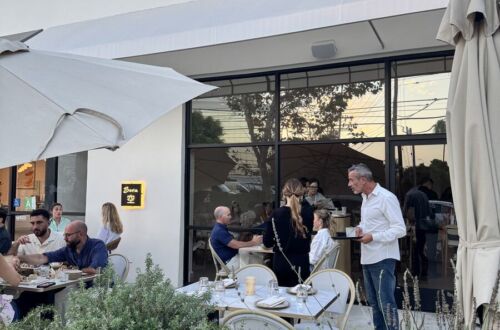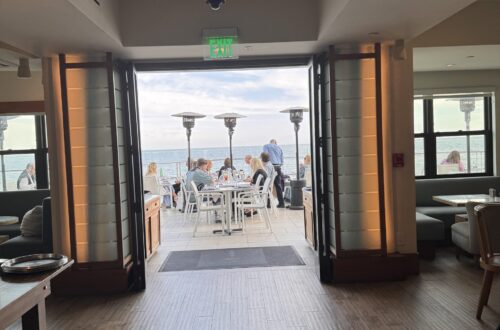
The Graham family (Ginger, Brad, Charlotte, and Madeline) smiling and enjoying a sensory diverse seafood spread at Pacific Catch restaurant, featuring a nighttime Santa Monica city in the background.
Dining

How to Master the Most Transformative Sensory Reset in Santa Monica

After nearly 15 years as a Registered Nurse, I now view the world through a lens of sensory restoration.

In the clinical setting, we are trained to monitor vital signs. We are trained to look for the subtle shifts that indicate a body is returning to homeostasis. But what about the caregiver? For those of us navigating the sensory high-decibel, fluorescent-lit world of bedside care, “recovery” is not just a post-operative term. It is a daily requirement for survival.

In the high-stress world of nursing, we spend our shifts in a state of hyper-vigilance. Our sympathetic nervous systems is constantly firing in response to alarms, crises, and the heavy emotional weight of patient advocacy.

When I step away from the hospital, I don’t just want a meal; I need a sensory reset. This is why Pacific Catch Santa Monica has become a vital “prescription” in my personal wellness routine. This restaurant is a space where the discipline of clean eating meets the luxury of a coastal escape. It provides the exact atmospheric and nutritional intervention needed to lower cortisol levels and return to center.

Authority in Sourcing: Why Transparency Matters

In a landscape where “sustainability” is often used as a vague marketing buzzword, Pacific Catch stands out by providing data-backed transparency.

As a nurse, I am naturally inclined to look at the “source”—whether that is a patient’s lab results or the origin of the protein on my plate.

Pacific Catch is a proud partner of the Monterey Bay Aquarium Seafood Watch program, an authority that sets the global gold standard for sustainable seafood. According to the Surfrider Foundation, choosing “Ocean Friendly” restaurants is a critical step in preserving the marine ecosystems that provide us with high-quality, anti-inflammatory nutrients.

From a clinical perspective, eating wild-caught, sustainably sourced fish is an investment in your own biological infrastructure. We know that heavy metals and microplastics are rising concerns in commercial fishing; by dining at an establishment that vets their suppliers with the rigor of a clinical trial, I feel a sense of security that is rare in the hustle of Los Angeles. This level of trust is why Pacific Catch remains a cornerstone of the “Discovery” pillar on this blog.

The Discovery Logistics: A Local’s Strategic Sensory Approach

Santa Monica can be intimidating, even for those of us who live in Brentwood or the Westside. However, the discovery is all in the details. My husband Brad, who has mastered the logistics of our family outings, and I approached this visit with a specific strategy.

The Parking “Win”

While most visitors resign themselves to the crowded multi-story structures, we decided to test our luck with street parking. We found a spot directly on 2nd Street, just a short, breezy walk from the restaurant entrance. There is something uniquely therapeutic about walking toward the ocean, feeling the salt air hit your face before you even look at a menu. If you aren’t as lucky with the meters, remember that the City of Santa Monica Parking Structure 6 is your best backup, offering the first 90 minutes free—plenty of time for a focused lunch or an early “Aloha Hour.”

Financial Sensory Wellness with inKind

As a savvy diner, I am always looking for ways to maximize the value of our luxury experiences. For this meal, we used the inKind app to settle our bill. If you haven’t read my guide on inKind, it is a game-changer for frequent diners in LA. By leveraging our inKind credits, we were able to enjoy a high-end family meal while saving significantly. It is a strategic way to manage a “Dining” budget without sacrificing the “Discovery” of new flavors. The seamless “pay-at-table” feature also means we avoid the awkward wait for the check—a small but meaningful reduction in “transactional stress.”

A Sensory Family Table Review: Flavor Profiles & Nutritional Density

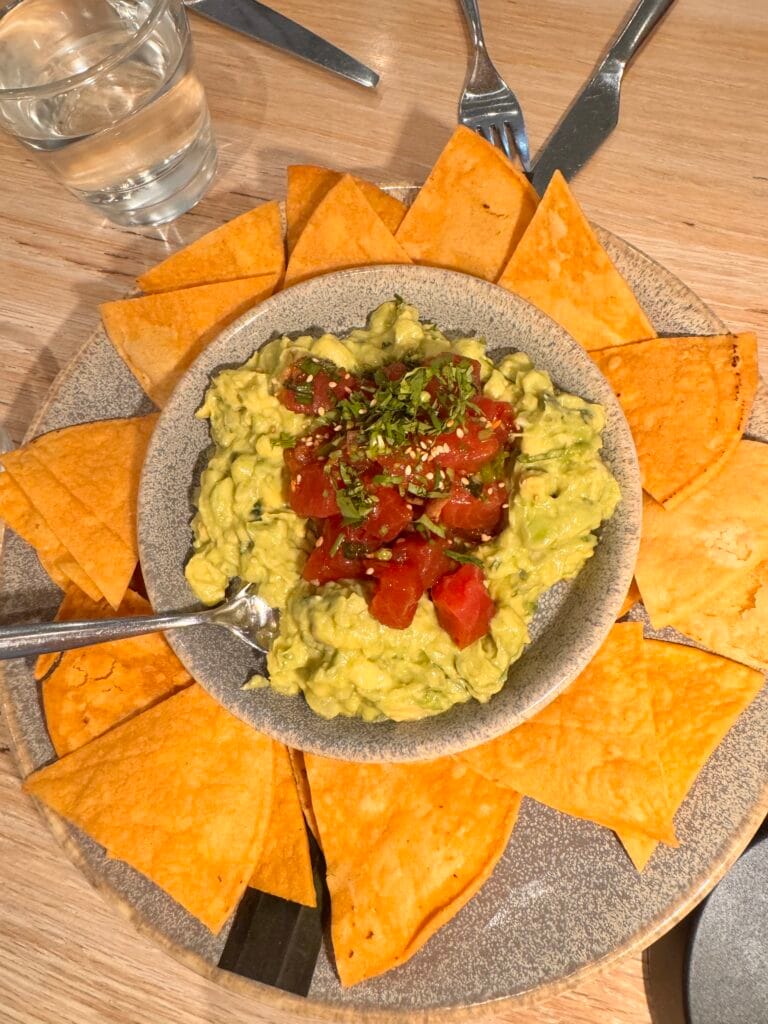
A close-up of a Guaca-Poke appetizer with fresh ahi tuna poke and guacamole served with crispy tortilla chips at Pacific Catch Santa Monica.

Our meal was a masterclass in global coastal cuisine. We began with the Guaca-Poke, a brilliant fusion that bridges the gap between traditional Hawaiian flavors and California’s obsession with the avocado. The creaminess of the avocado provides a healthy fat base that slows the absorption of the ginger-soy dressing, creating a sustained energy release rather than a quick spike—a principle we often discuss in diabetic education.

The Main Course: A Personalized Sensory Reset

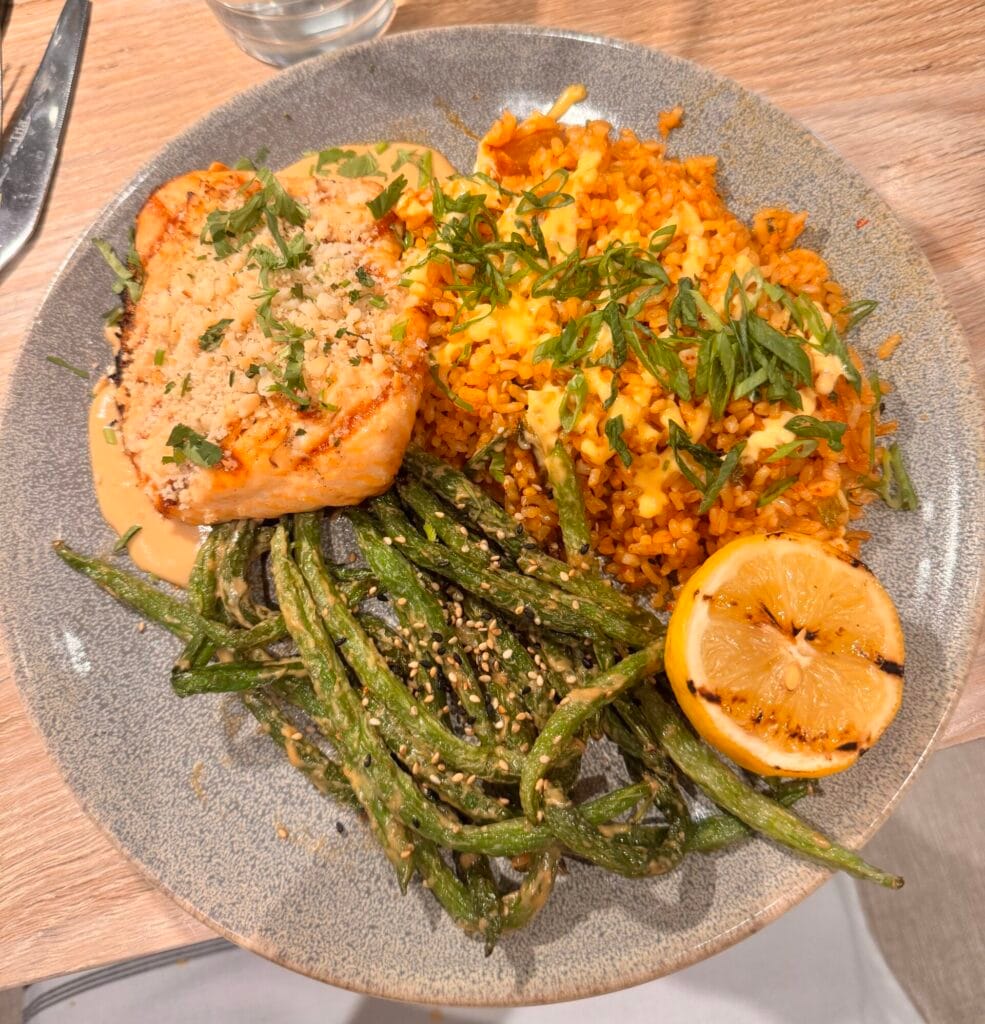
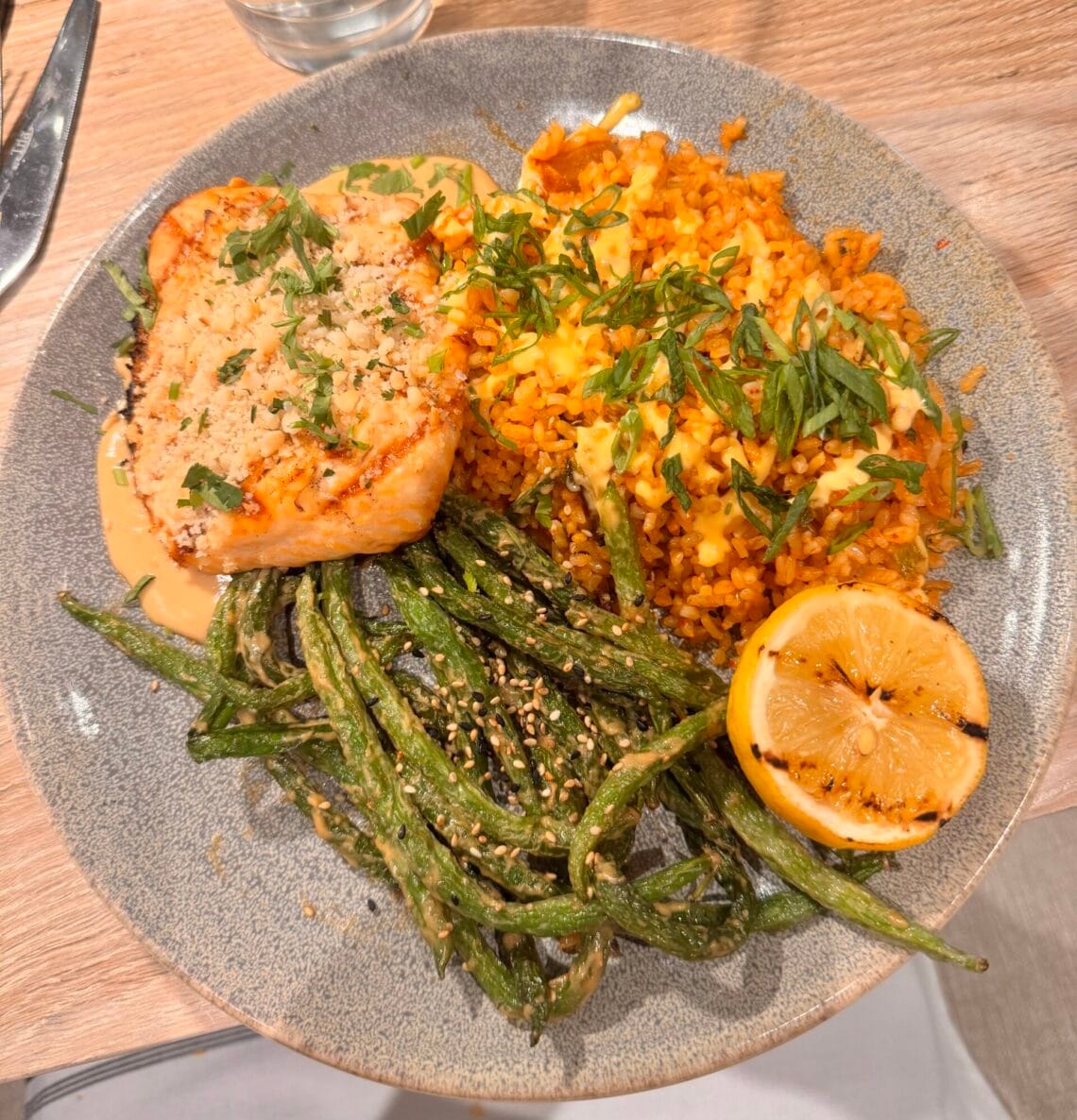
A top-down view of a macadamia crusted salmon entree, sesame green beans, and kimchi fried rice on a grey plate at Pacific Catch Santa Monica.

I ordered the Macadamia Crusted Salmon, served with sesame green beans and kimchi fried rice. The crunch of the macadamia nuts provided a satisfying textural contrast to the buttery salmon, while the fermented kimchi in the rice offered a probiotic boost for gut health—essential for anyone dealing with the irregular eating schedules of healthcare work. The salmon itself was cooked to a perfect medium, retaining its moisture and high concentration of heart-healthy Omega-3 fatty acids.

Brad opted for the Korean BBQ Ribs. While Pacific Catch is known for seafood, their land-based proteins are handled with equal care. The ribs were tender, falling off the bone with a glaze that balanced sweetness with the deep, umami complexity of fermented soy. It was a hearty, grounding choice for someone who handles the logistics of a family of four.

The Next Generation of Critics

My daughters are seasoned restaurant participants, and I love seeing them develop their own palates. My eldest daughter chose to skip the kids’ menu entirely, opting for the Pacific Catch Burger and Fries. The quality of the beef was evident, and the fries were crisp without being greasy—a “luxe minimalism” take on a classic.

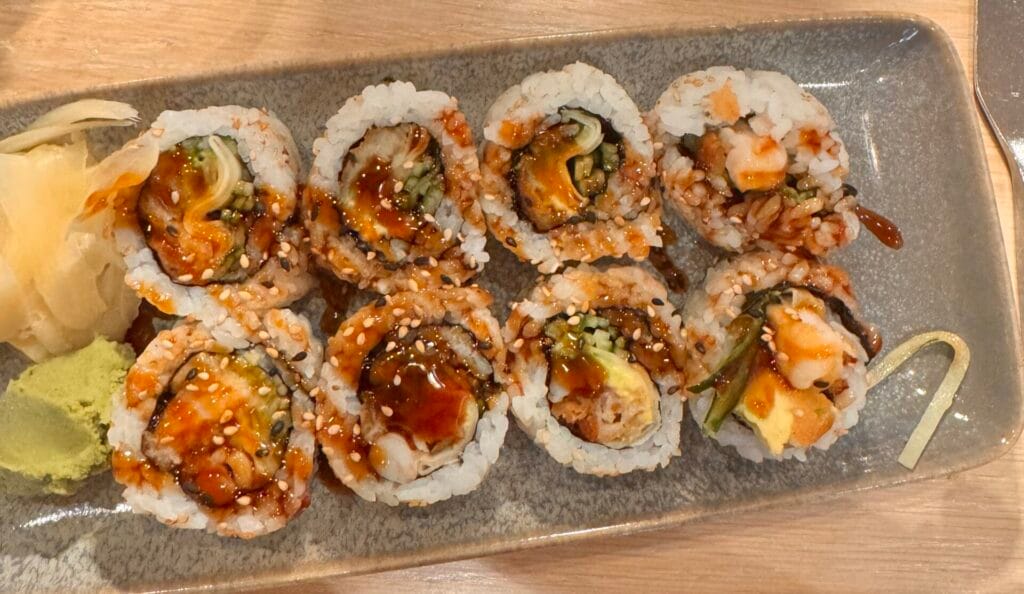
A top-down view of eight pieces of shrimp tempura sushi rolls on a grey rectangular plate with ginger and wasabi at Pacific Catch Santa Monica.

My younger daughter went in a different direction, ordering the Shrimp Tempura Roll. The tempura was light and airy, avoiding the heavy batter often found in lesser establishments, allowing the sweetness of the shrimp to shine through.

The Science of Leisure: Why Intentional Dining Works

According to the American Psychological Association, engaging in leisure activities—particularly those that involve social connection and sensory engagement—is a proven method for reducing chronic stress. When we sit down at Pacific Catch, we aren’t just consuming calories; we are practicing “Micro-Restorative” behavior. The sound of the ocean nearby, the aesthetic of the “luxe minimalist” decor, and the deliberate act of sharing a meal with family all work together to signal to the brain that the “threat” (the shift, the stress, the noise) has passed.

As I often tell my colleagues, you cannot pour from an empty cup. Whether you are a nurse, a parent, or a busy professional, finding your “Pacific Catch”—a place where quality, environment, and nutrition align—is not a luxury; it is a clinical necessity.


Continue Your Discovery


About the Author

The creator of Culinary Passages is a Registered Nurse with nearly 15 years of experience in clinical, bedside, and procedural nursing. Based on the Westside of Los Angeles, she uses her medical background to curate “Dining and Discovery” experiences that focus on restorative luxury and sensory health. When she isn’t at the hospital, she is a frequent traveler with over 30 cruises under her belt, exploring the world alongside her husband Brad, their two daughters, and their Goldendoodle, Barnaby. Her mission is to help other high-stress professionals find their own “sensory reset” through intentional living and fine dining.

Leave a Reply

Your email address will not be published. Required fields are marked *