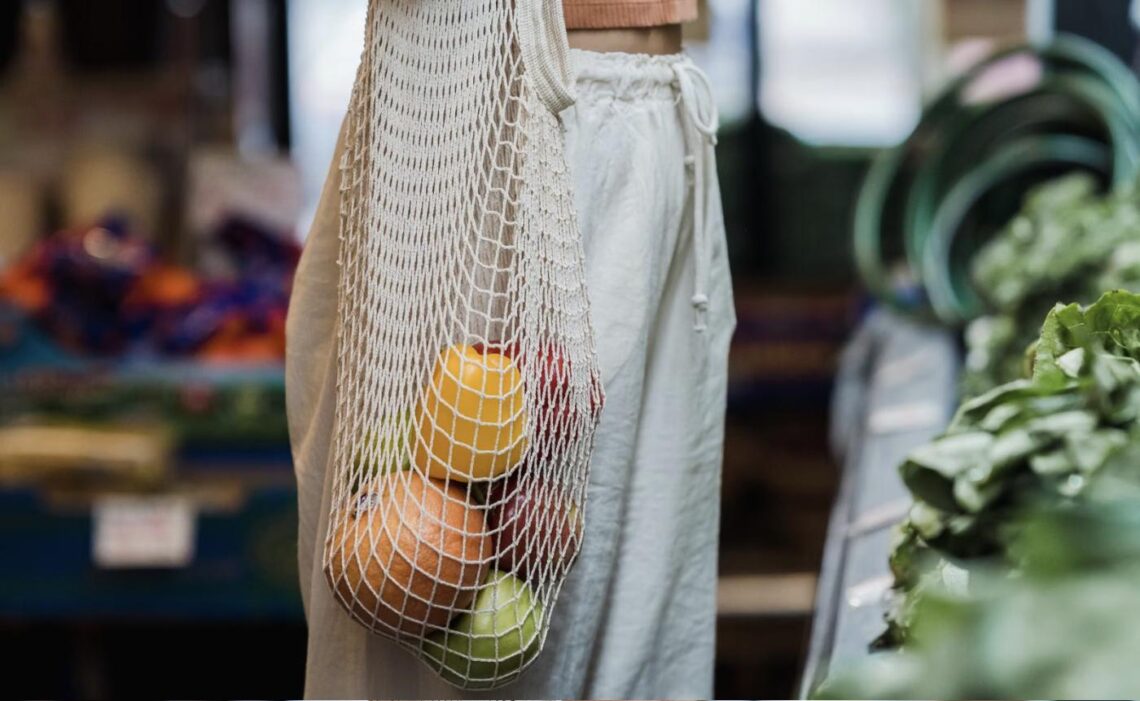
The farmers market tote problem is real. I go to the Brentwood and Santa Monica markets weekly and I have gone through several bag iterations — the canvas tote that collapsed under the weight of six pounds of stone fruit, the reusable grocery bag that bruised the tomatoes, the rolling cart I was too embarrassed to bring until I finally stopped caring. The rolling cart won. Here is what I know about the options.
Canvas bags dug into my shoulders. Eggs cracked. Flowers wilted from being squished. After a few heavy trips back to the car from the Santa Monica Farmers Market, I knew I needed a better system.
Enter the tote bag on wheels. Think of it as a stylish hybrid between a European market basket and a rolling carry-on suitcase. Once I tried it, I couldn’t imagine market days without it.
My shoulder still hasn’t forgiven me for those early days of lugging canvas totes home from the Santa Monica Farmers Market. A rolling tote just moves the weight onto wheels instead of my arm — it sounds obvious, but it took me embarrassingly long to admit I needed one.
My First Trial: The Westwood Farmers Market
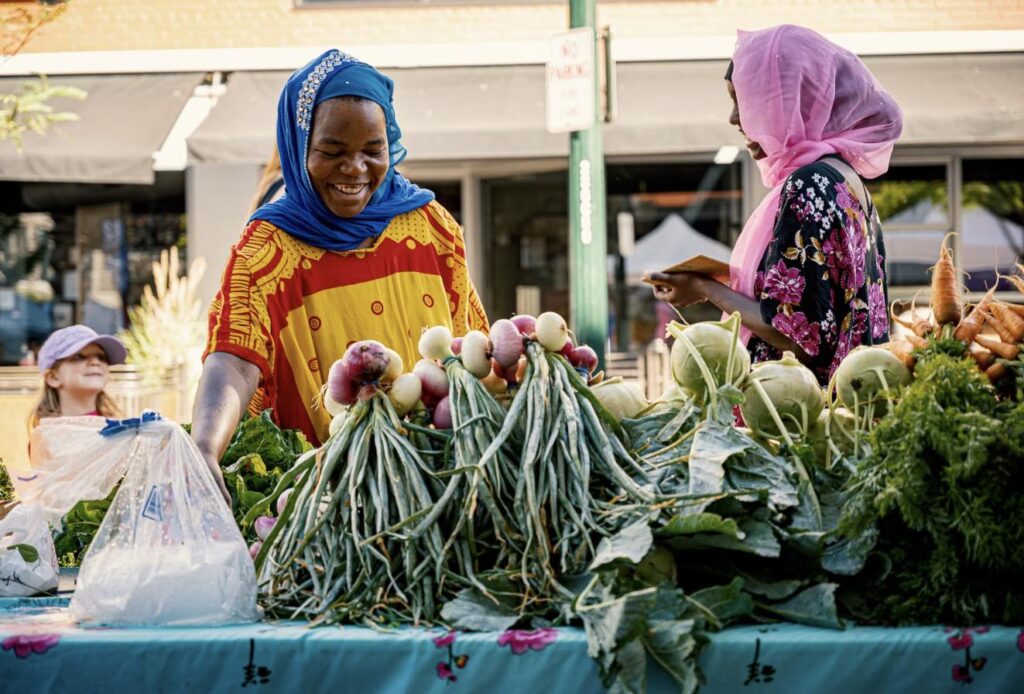
I’ll never forget my first day bringing the rolling tote to the Westwood Farmers Market. At first, I hesitated — would it feel awkward weaving through the stalls? But within minutes, I realized I wasn’t the only one. A line of seasoned shoppers, many older but some as young as me, were rolling sleek totes behind them.
Here’s what I bought that day:
- Arnett Farms plums and pluots (sweet, juicy, irresistible)
- A $15 Leaven Heaven sourdough loaf (our “splurge bread”)
- Fresh herbs and heirloom tomatoes
- A jar of artisan honey
- A bag of caramel popcorn for my daughters
- Kefir yogurt in dark chocolate flavor
- Hummus and pita chips
- A couple of pastries from a local baker
- Fresh flowers
- And yes — lunch to enjoy on the spot
All of it tucked neatly into compartments. Nothing bruised, nothing spilled. For once, my market day ended without sore shoulders.
Full vendor breakdown: Westwood Farmers Market Review.
The Brentwood Farmers Market Test
Brentwood’s parking is famously miserable — bad enough that I usually skip the market entirely — but I made the trip once specifically to put the tote through a real stress test. Vendors there range from kefir to cut flowers. That day’s haul included:
- Yogurt from Bonjour Kefir
- A bouquet of dahlias
- A rosemary plant in a pot
- Fresh peaches and pluots
Normally, I’d juggle three canvas bags. Instead:
- Yogurt stayed upright in the insulated compartment.
- Rosemary sat snugly in a side pocket.
- Peaches stacked safely without bruising.
Instead of worrying, I could focus on talking with vendors and enjoying the morning.
The Santa Monica Farmers Market: The Ultimate Test
The Santa Monica Farmers Market is legendary — sprawling, crowded, buzzing with chefs sourcing produce. On my visit, the tote carried:
- Goat cheese
- Fresh figs
- Two baguettes
- Seasonal greens
Vendors noticed. One cheesemaker chuckled, “That tote is smarter than my backpack.”
In crowded aisles, the tote proved its worth. I rolled easily between stalls, free to sample peaches and chat with growers.
Review a Farmers Market Guide for more farmers markets you can visit with your tote.
What to Look for in the Best Farmers Market Tote on Wheels
Not all rolling totes are equal. After testing a few, here are my must-have features:
- Sturdy wheels: Rubberized, large enough to handle sidewalks and curbs.
- Collapsible frame: Stores easily in your trunk or closet.
- Insulated compartments: Perfect for yogurt, cheese, or meats.
- Washable liners: Berry stains happen — make cleaning easy.
- Side pockets: Keep eggs, flowers, or bottled kombucha safe.
- Adjustable handles: Kids love taking turns pulling the tote.
- Style factor: Function doesn’t mean frumpy; European designs set the standard.
Why Families Love Them
The biggest surprise? My daughters love the tote even more than I do. On family trips, they actually fought over who got to pull it. Suddenly, errands became part of the fun.
Instead of whining about heavy bags, they proudly added pluots and flowers. A rolling tote isn’t just practical — it’s interactive for kids, helping them feel part of the ritual.
Why This Isn’t Actually a New Idea
The brand I ended up buying, Rolser, is Spanish, and that tracks: rolling shopping carts have been ordinary equipment at European markets for decades, long before it occurred to anyone in Los Angeles to bring one to a farmers market. I hadn’t noticed I needed the same thing here until my shoulder made the decision for me.
Comparing Popular Models
| Brand / Model | Best Feature | Price Range | Best For |
|---|---|---|---|
| Rolser Shopping Trolley | Durable wheels, sleek design | $120–$180 | Weekly shoppers |
| Gimi Twin Shopper | Lightweight, foldable | $140 | Occasional use |
| CleverMade Foldable Tote Bag on Wheels | Wide insulated compartment | $47.99 at Costco | Budget-friendly beginners |
| Generic Canvas Roller | Affordable, washable | $30–$50 | Budget-friendly beginners |
I went with the Rolser. It was the most expensive of the four, but after destroying two cheaper canvas totes in a single season, paying more once felt like the actual bargain.
Beyond Farmers Markets: Everyday Uses
Since buying mine, the tote has become a multi-tasker:
- Beach picnics: Towels, drinks, snacks in one pull.
- Concerts in the park: Wine bottles and cheese safe and upright.
- Trader Joe’s hauls: No more juggling a dozen paper bags.
- Kids’ soccer games: Snacks, blankets, water — stress-free.
It’s more than a market tool. It’s an everyday helper.
Top 5 Mistakes to Avoid With Your Tote Bags on Wheels
Buying a rolling tote is just the first step — using it correctly makes all the difference. After months of testing mine at the Westwood and Santa Monica Farmers Markets, plus that one Brentwood trip, here are the mistakes I actually made, so you can skip them.
1. Overpacking Until the Tote Tips Over
It’s tempting to load your tote with every seasonal find, but too much weight makes even sturdy wheels strain. Overpacking can also cause delicate items like peaches or flowers to get crushed. Instead, pack in layers: heavy potatoes and melons at the bottom, herbs and berries at the top.
Distributing weight evenly helps avoid tipping and reduces strain. I also keep a few small produce bags inside the main compartment so berries don’t end up wedged under a bag of onions.
2. Choosing Small, Flimsy Wheels
Not all totes are designed for real-world farmers market terrain. Tiny plastic wheels catch on sidewalk cracks and wear out quickly. Invest in a tote with large, rubberized wheels that can handle curbs and uneven ground.
3. Forgetting to Clean the Tote Regularly
Reusable bags and totes can harbor bacteria from produce, dairy, and meats if not cleaned.
Many shoppers forget to wash liners or wipe down wheels after market trips. Make it a weekly habit to wash the removable liner, sanitize the handles, and wipe the frame and wheels with warm soapy water so produce residue doesn’t build up.
4. Ignoring Side Pockets for Fragile Items
Side pockets aren’t just decoration — they’re lifesavers for eggs, wine bottles, or flowers. Skipping them means fragile items get jostled and broken in the main compartment. Always reserve side sections for delicate purchases, and if you’re carrying flowers, wrap the stems in a bit of paper first so they don’t bend against the pocket wall.
5. Leaving the Tote at Home
The number one mistake? Forgetting the tote altogether! Rolling totes are only useful if you bring them. Keep it in your car trunk, so it’s ready for spontaneous Saturday market runs, Trader Joe’s trips, or even beach picnics.
Was It Worth It?
Yes, and not by a small margin. I spent more on the Rolser than I expected to spend on a shopping bag, and I still think about that number sometimes. But I haven’t bruised a peach or cracked an egg since, my daughters actually ask to come to the market now, and I stopped dreading the walk back to the car. For a Saturday morning ritual I do almost every week, that’s worth the price.
Frequently Asked Questions About Farmers Market Tote Bags on Wheels
1. Are rolling tote bags allowed at farmers markets?
Yes! Rolling totes are welcomed at nearly every farmers market. In fact, many seasoned shoppers use them because they’re practical and safe for transporting heavier items. Just remember to be courteous in crowded aisles — keep your tote close to you so it doesn’t block foot traffic.
2. Do rolling totes work on uneven ground, grass, or dirt paths?
Most high-quality rolling totes have rubberized, durable wheels that can handle sidewalks, curbs, and light gravel. If you frequent markets set up on grass or dirt, look for totes with larger wheels (at least 6–8 inches in diameter). These roll more smoothly and won’t get stuck as easily.
Making It a Full Day Out
The tote solved the carrying problem, but market mornings in LA usually turn into full days for us anyway. If we’re already out, we’ll grab pizza afterward at Pizzana, or cool off with gelato at Bacio di Latte. On a slower weekend it turns into a whole dessert outing, and on nights I don’t feel like cooking what we bought, dinner at The Golden Bull is an easy fallback.
- Pair fresh finds with pizza night at Pizzana.
- Cool down afterward with gelato at Bacio di Latte.
- Make it a full foodie day with dessert adventures in our Family Dessert Outings Guide.
- Wrap up with dinner at The Golden Bull, a Santa Monica icon.