The last time I hosted a formal dinner party, I was in the kitchen most of the day and worn out before the first guest arrived. I told Brad that night: never again. Formal dinners like that just did not work for us.
I work twelve-hour hospital shifts. On my days off, I still love having people over and feeding them. I just do not want to spend those days ironing a tablecloth and making fancy appetizers. I needed an easier way to entertain. That is how we arrived at what I now call the Supper Bowl.
What Supper Bowl Dining Actually Looks Like
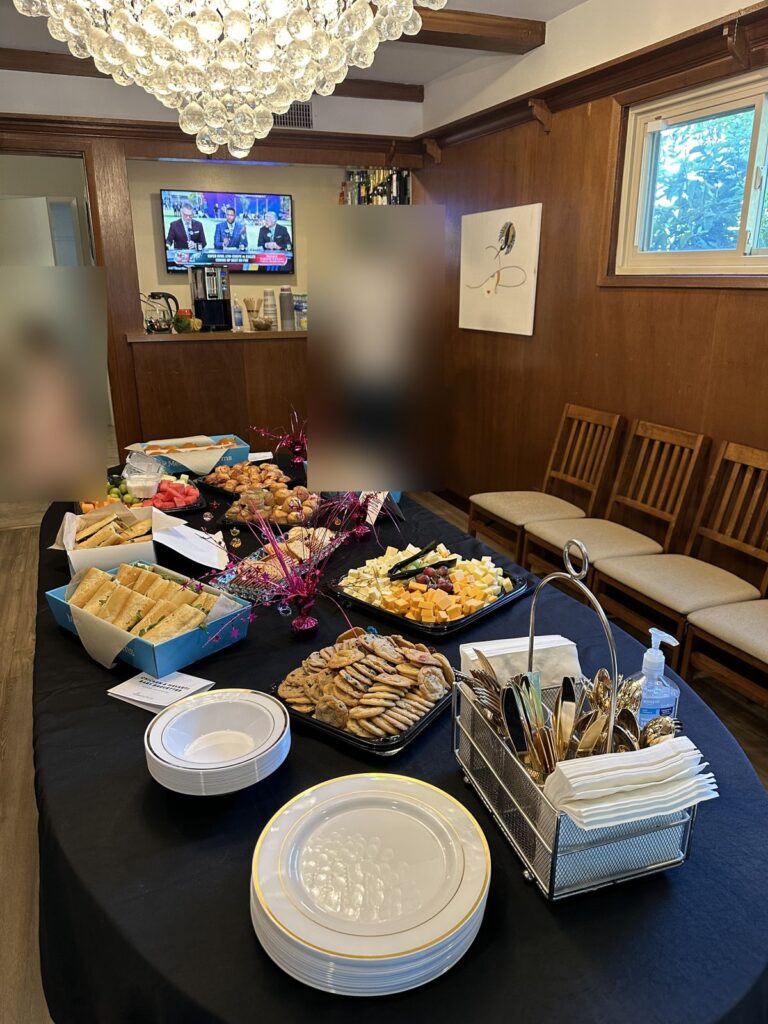
No seating chart. No formal plating, no designated courses. Instead: stations around the kitchen and living room, a handful of big pots and sheet pans that people serve themselves from, and bowls, mismatched ones from our cabinet and a few extras from the thrift store on Wilshire, instead of plates. It’s dining stripped down to what actually matters: good food, easy conversation, and nobody stuck at the stove.
The bowl is the key. A bowl holds an entire meal in one hand, which frees the other hand for wine, for gesturing, for holding a baby, for whatever. It is the single most underrated hosting decision I have made. When people are not tethered to a seat, they move around. They actually talk to each other. The conversations at our Supper Bowl nights are better than anything that has ever happened at a formally set table in our house.
How We Set Up the Dining Bowl
We do three stations. That is the number that works for our kitchen and our guest count, which is usually eight to twelve people.
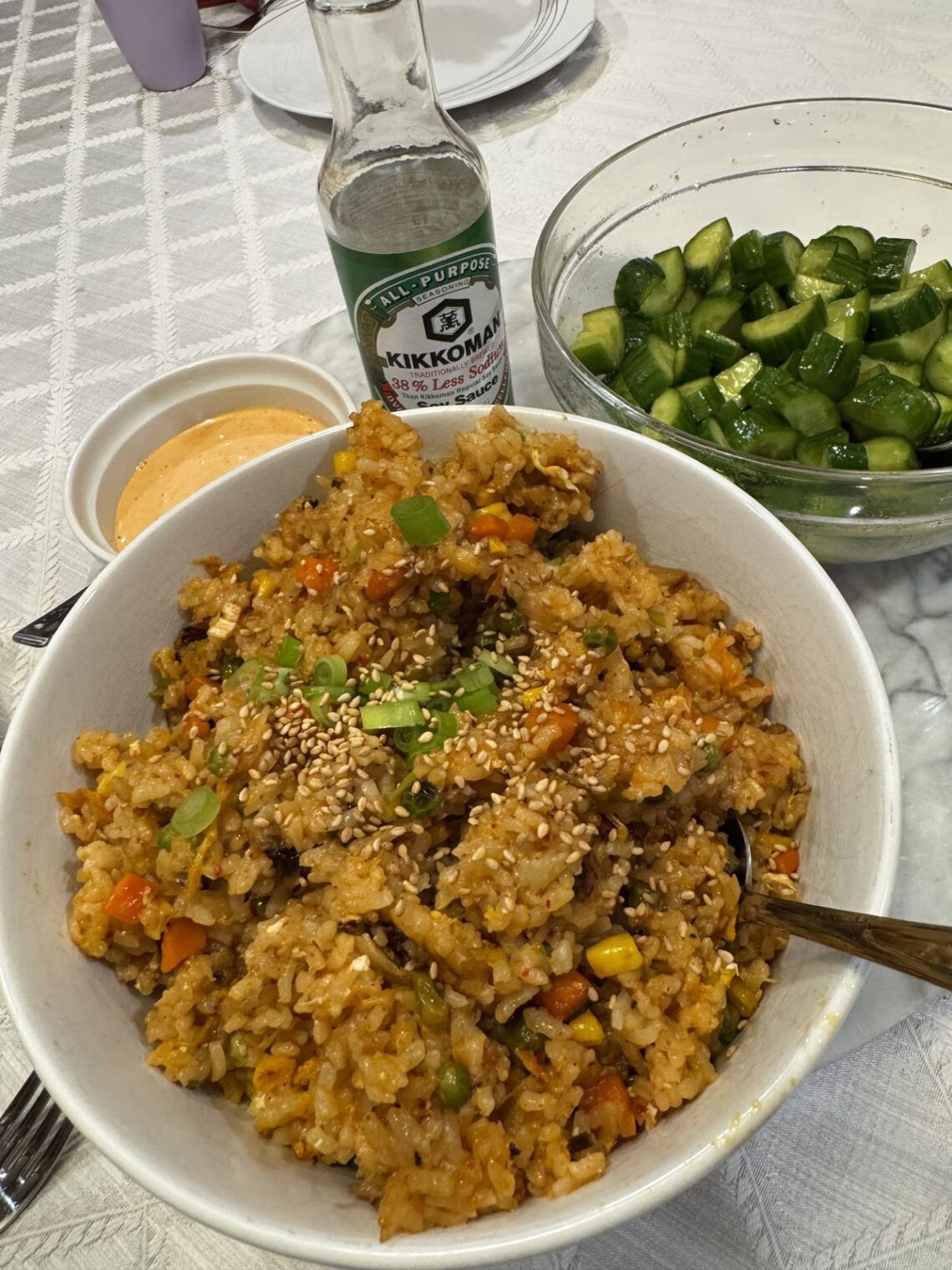
Station one is the base. This is whatever starchy, comforting thing ties the meal together: rice, pasta, roasted potatoes, grain blend. It goes in the biggest pot or baking dish we own and it stays warm on the stove or in a low oven. Guests start here.
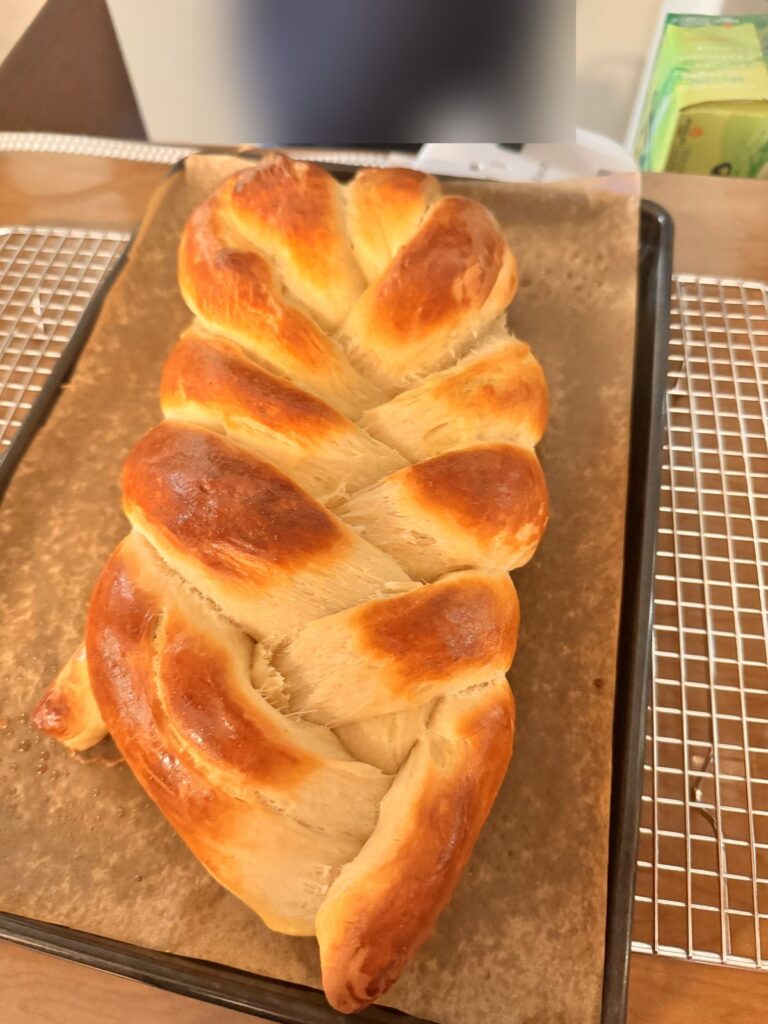
Station two is the protein. We almost always do two options. One is usually a braise or slow cooker dish, because it can go all day without attention. The other is something quicker that I finish closer to the guests arriving. Our most requested combination is a slow-cooked pulled chicken in a tomato-fennel broth alongside some kind of seared white fish. It sounds involved, but the chicken is a set-and-forget situation.
Station three is the toppings and sauces. This is where the meal becomes individual. I put out five or six small bowls: fresh herbs, something pickled, something crunchy, a cooling sauce, a spicy sauce, and whatever cheese feels right. People doctor their bowl the way they want it. My daughter loads hers with everything. Brad takes one topping and is somehow satisfied with that. Guests who have dietary restrictions can navigate the whole meal without me having to manage it for them, which as a nurse I deeply appreciate. Self-advocacy at the table is underrated.
A Sample Make-Ahead Timeline
The reason the Supper Bowl works is that almost nothing has to happen while guests are in the house. Here is roughly how a dining hosting day looks for me, built so that by the time the doorbell rings I am pouring myself a glass of wine instead of sweating over the stove:
- The day before: Make the braise. Almost every slow-cooked dish tastes better the next day, and it frees the whole afternoon.
- Morning of: Prep all the toppings, chop herbs, portion the pickles and crunchy bits, make the two sauces, and refrigerate them in their serving bowls, covered.
- Mid-afternoon: Cook the base (rice, grains, or potatoes), assemble any make-ahead dessert, and set out the bowls and serving spoons.
- One hour out: Reheat the braise low and slow, and do the one quick thing. Sear the fish or roast the vegetables.
- Fifteen minutes out: Move everything to its station, light a candle, and stop. You are done.
What Works Best in a Dining Bowl
Not everything translates. A composed salad with delicate lettuces does not survive the Supper Bowl format. Anything that requires a knife is also a problem. Here is what works beautifully:
- Braised meats in any liquid: they get better as the night goes on
- Grain bowls built on farro, freekeh, or a good basmati
- Any pasta with a sauce robust enough to cling after sitting
- Roasted vegetables that have been cut small enough to eat without a knife
- Any kind of spiced, stewed legume situation: lentils, white beans, chickpeas
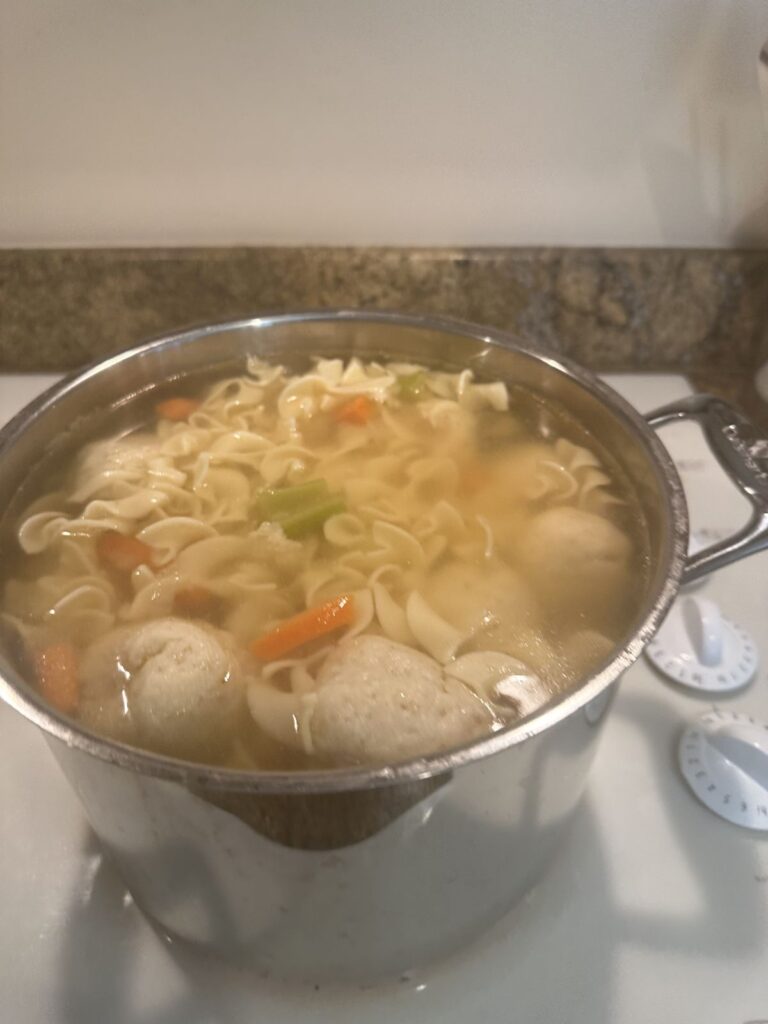
- Soup, obviously: but it becomes the whole meal when the station format surrounds it
Building the Dining Topping Bar
The topping station is what makes eight people feel like they each got a meal made for them, so it is worth a little thought. My rule is to cover five sensations, and as long as each is represented, the specifics can be whatever is cheap and good that week. Think in terms of: Good dining doesn’t require a garnish station, just options people can layer for themselves.
- Fresh: a pile of soft herbs, cilantro, parsley, dill, torn basil, or thinly sliced scallions.
- Bright and acidic: quick pickles, a squeeze of lemon, or a bowl of pickled onions to cut the richness of a braise.
- Crunchy: toasted nuts, seeds, fried shallots, or crushed crackers for texture.
- Cooling: a yogurt or tahini sauce that calms down anything spicy.
- Heat: a chili crisp, a hot sauce, or a spicy oil for the people who want it, kept separate so it never lands in a kid’s bowl by accident.
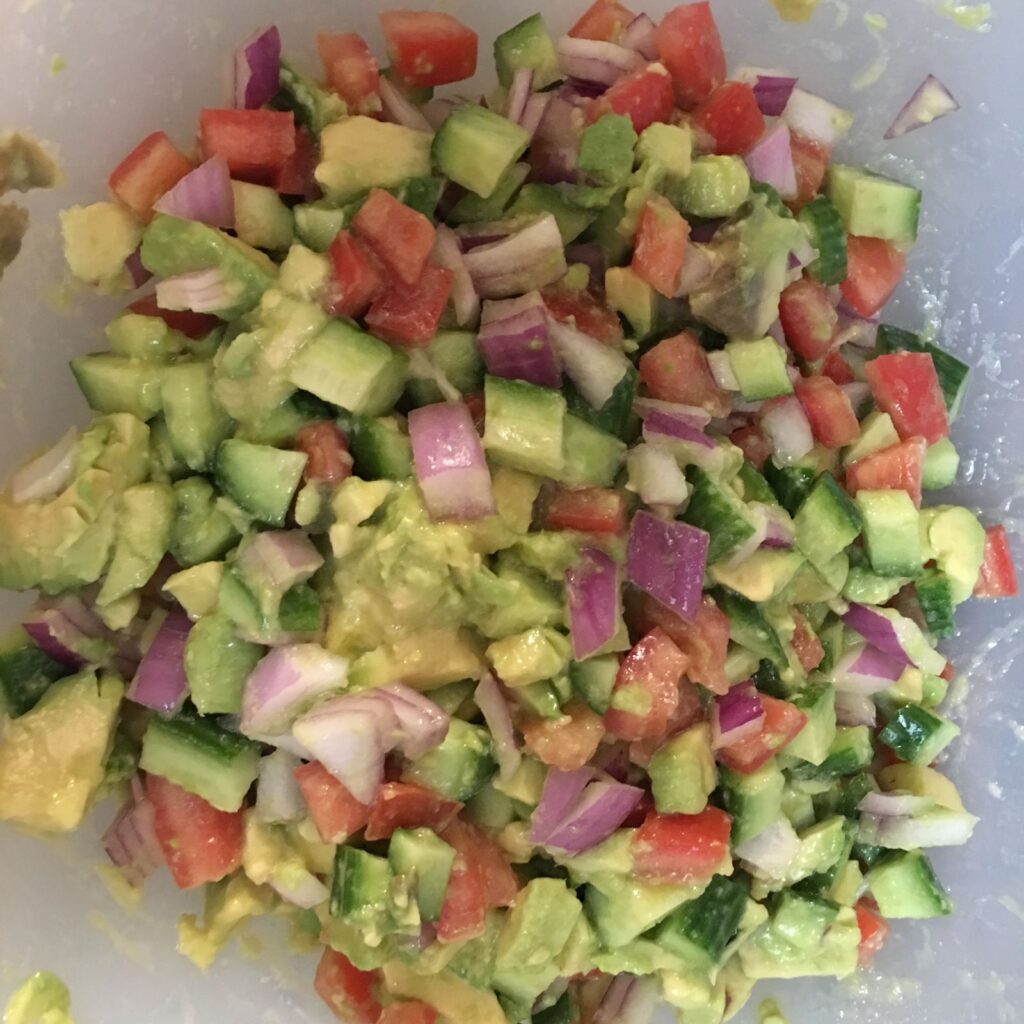
Add a bowl of grated or crumbled cheese and you have covered every guest at the table without cooking a single separate dish. This is also, quietly, how the format handles allergies and preferences: nobody has to eat around anything, because they built the bowl themselves.
The Dessert Bowl
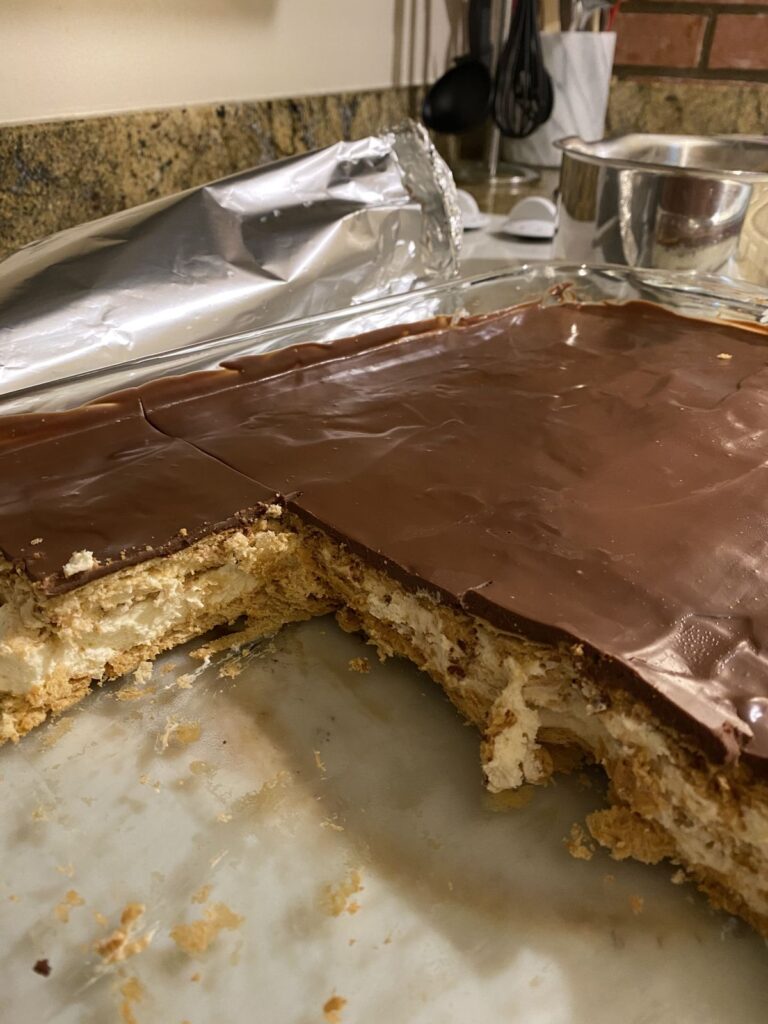
We extend the format to dessert. I stopped making cakes for parties a while ago. Frosting a cake late the night before was just too much. Now I do an ice cream station: two or three flavors in their containers, a handful of toppings in small bowls, and people build their own sundae. Or I do individual trifles assembled in juice glasses during the afternoon. They hold perfectly in the fridge and require zero effort at serving time. Everyone gets the same thing, it looks intentional, and I am actually present at my own party.
Frequently Asked Questions
How many people does the Supper Bowl work for?
Our sweet spot is eight to twelve, but the format actually scales up better than a plated dinner does. Because guests serve themselves in waves, you are not plating thirty individual portions. You just make bigger pots and add a second serving spoon. It is the same math that makes a chaotic Christmas gathering feel manageable once everyone is serving themselves.
Do I need matching bowls?
Absolutely not. Mismatched is part of the charm and the point. A stack of thrifted bowls costs a few dollars and takes all the pressure off. Wide, shallow bowls hold a full meal best; save the tiny ones for the topping station. Casual dining like this is about ease, not matching sets.
What if a guest has a serious allergy?
Keep the base, protein, and each topping physically separate, and it is easy for a guest to steer clear of what they need to avoid. For a serious allergy I still give the guest a heads-up about ingredients: the format makes it easier, not a substitute for a real conversation.
The Actual Point
I have been to enough elaborate, anxious dining experiences to know that the host’s anxiety is contagious. When someone is visibly stressed about whether the soufflé is going to hold, the whole table feels it. The Supper Bowl is essentially a prescription against that kind of hosting. And as someone who spends her professional life managing high-stakes situations, I have zero patience for creating unnecessary stress in my own home.
Put the Post-it seating chart in the recycling. Get a stack of mismatched bowls from the thrift store. Make something that can simmer all afternoon while you take a nap. Your guests will stay longer, eat more, and leave more relaxed than they would after any formal dinner you could have produced.
That is Supper Bowl dining. It is a lifestyle choice, and I am not going back.